



How to Make Your Social Media Content Open to Everyone in 2025
Social media is the modern-day town square. It’s where we connect, shop, learn, and share our lives. For businesses, it’s often the front- first point of contact with customers. But what if that door is locked for millions of people? When social media content isn’t created with accessibility in mind, that’s exactly what happens. It excludes a huge part of the population from the conversation.
In 2025, making your digital presence accessible isn’t just a “nice-to-have” anymore. With regulations like the European Accessibility Act (EAA) becoming fully enforceable, it’s a business necessity . More importantly, it’s about people. It’s about ensuring that a person who is blind can understand the photo you posted, that someone who is deaf can follow your latest video, and that a person with a cognitive disability isn’t overwhelmed by your post.
This isn’t about chasing perfection or following a rigid checklist. It’s about making a conscious effort to include more people. By making a few small changes to how you create and share content, you can open that front door to everyone, building a stronger, more loyal community around your brand. Let’s look at how you can do that.
Why Does Social Media Accessibility Matter?
It’s easy to get caught up in the metrics of social media; likes, shares, and follower counts. But behind every screen is a person. Thinking about accessibility pushes us to consider the diverse ways people experience the digital world. It’s a shift from broadcasting content to creating genuine connections.
The Human Side of Digital Connection
Imagine trying to follow a trending news story on X (formerly Twitter), but every key image is missing a description. Or think of wanting to learn a new skill from an Instagram Reel, but the video has no captions and you’re in a noisy environment or are hard of hearing. These are daily frustrations for many.
When you take the time to add alt text or captions, you’re not just ticking a box. You’re telling someone, “I see you, and I want you to be part of this.” This fosters a sense of belonging and community that no marketing budget can buy. It shows that your organization cares about people, not just potential customers.
The Business Benefits of Inclusive Social Media
From a business standpoint, the logic is simple. The more people who can access your content, the larger your potential audience. Globally, at least 2.2 billion people have a near or distance vision impairment. Many others have auditory, motor, or cognitive disabilities. When your social media is accessible, you’re reaching an audience that your competitors might be ignoring.
This builds incredible brand loyalty. People remember the brands that make them feel included. An accessible social media presence can become a powerful differentiator, enhancing your reputation as a thoughtful and user-focused organization. It also improves the experience for everyone. For example, captions help not only users who are deaf but also anyone watching videos with the sound off.
Legal Considerations on Social Platforms
The legal requirements for digital accessibility are getting stricter. While laws like the Americans with Disabilities Act (ADA) have been around for a while, their application to digital properties, including websites, is becoming more defined . With the European Accessibility Act (EAA) deadline in June 2025, businesses operating in the EU will face direct requirements for accessible digital products and services, which includes how people access those services through social media .
While social media platforms themselves are responsible for their own accessibility, the content you post is your responsibility. Proactively making your content accessible protects your business from potential legal complaints and shows you’re ahead of the curve. It’s about being responsible digital citizens in an increasingly regulated space.
The Building Blocks of Accessible Social Content
Making your social media content accessible doesn’t require a complete overhaul of your strategy. It’s about integrating a few key practices into your existing workflow. These small steps can make a world of difference to your audience.
Writing Alt Text That Actually Helps
Alternative text, or alt text, is a short description of an image. It’s read aloud by screen readers, allowing users with visual impairments to understand the content of your photos. But many people either forget it or write unhelpful descriptions.
Good alt text is concise and descriptive. It should convey the same information that a sighted person would get from the image. For example, instead of “a person at a computer,” a better description would be “A young woman with curly brown hair smiles while typing on a laptop in a sunny office.” If there’s text in the image, the alt text should include it.
Most social media platforms have a built-in feature to add alt text. It might be in the “Advanced Settings” or “Edit” options when you’re posting an image. Take the extra 30 seconds to write a meaningful description. It’s one of the most impactful things you can do for accessibility .
The Power of Captions and Transcripts
Video is a huge part of social media, but without captions, it’s inaccessible to people who are deaf or hard of hearing. Captions also benefit anyone watching in a noisy place or with the sound off. Most platforms, like Instagram and TikTok, can automatically generate captions for your videos. Take a moment to review them for accuracy, as auto-captions often make mistakes with names, jargon, or punctuation.
For longer videos or audio-only content like podcasts, providing a full transcript is a great practice. A transcript is a text version of all the spoken words and important sounds. You can post it on your website and link to it from your social media post. This gives people a way to access the information even if they can’t watch or listen to the content.
Color, Contrast, and Clarity in Visuals
Have you ever seen text on an image that was nearly impossible to read? This is often due to poor color contrast. For people with low vision or color vision deficiency, the effect is even worse. Text and important visual elements should stand out clearly from the background .
When you create graphics for social media, make sure there’s enough contrast between your text and background colors. You can use free online tools to check your contrast ratios against Web Content Accessibility Guidelines (WCAG) standards. As a rule of thumb, avoid placing light-colored text on a light background or dark text on a dark background. Also, don’t rely on color alone to convey information. For example, if you create a chart, use patterns or labels in addition to colors to distinguish the data.
Hashtags and Emojis: Best Practices
Hashtags are a great way to increase the visibility of your posts, but they can be a nightmare for screen readers if they’re not formatted correctly. When you create a hashtag with multiple words, use CamelCase; capitalize the first letter of each word (e.g., #AccessibilityIsGood). This allows screen readers to pronounce each word separately, instead of reading it as a jumble of letters.
Emojis can add personality to your posts, but use them thoughtfully. A screen reader will read the description of every single emoji. A string of five clapping emojis will be read as “clapping hands, clapping hands, clapping hands, clapping hands, clapping hands.” It’s annoying and clutters the message. Place emojis at the end of your posts where possible, and avoid using them to replace words.
Writing in Plain Language for Your Posts
Accessibility isn’t just about technical features; it’s also about cognitive accessibility. Your writing should be clear and easy to understand. Avoid jargon, acronyms, and overly complex sentences. Keep your paragraphs short and to the point.
This doesn’t mean you have to “dumb down” your content. It just means you should communicate clearly. Simple language benefits everyone, not just people with cognitive disabilities. It helps people who are reading in a second language, are distracted, or are simply short on time. Writing in a clear, direct style makes your message more effective for your entire audience.
Making Links Accessible
When you share a link, the text you use for the link matters. Vague phrases like “click here” or “learn more” are not helpful for screen reader users, who often navigate a page by jumping from one link to the next . Without context, they don’t know where the link will take them.
Instead, use descriptive text that explains what the link is about. For example, instead of “Click here to read our new blog post,” try “Read our new blog post on accessible social media.” This makes the purpose of the link clear to everyone. Also, try to avoid using URL shorteners, as they can hide the destination of the link, which can be a security concern for some users.
Platform-Specific Tips for Accessibility
While the basic principles of accessibility are universal, each social media platform has its own set of tools and features. Knowing how to use them can help you create a more inclusive experience for your followers.
Instagram Accessibility Features
Instagram has made some good progress with its accessibility features. When you upload a photo, you can add custom alt text in the “Advanced Settings” menu before posting. If you forget, you can go back and edit the post to add it later. For Reels and Stories, Instagram offers an auto-caption sticker that you can add to your videos. Always check these captions for accuracy.
When you create Stories, make sure any text you add has good color contrast against the background. Instagram’s text tools allow you to add a solid background to your text, which can greatly improve readability.
Making X (Formerly Twitter) More Inclusive
X allows you to add alt text to your images, videos, and even GIFs. When you upload media, you’ll see an “Add description” button. Using it is one of the most important things you can do on the platform. X also supports content warnings, which you can use for sensitive media. This gives users the choice to view the content or skip it.
Remember to use CamelCase for your hashtags to make them readable for screen readers. While X is a very text-heavy platform, thinking about how that text is structured; with clear language and proper punctuation; can make a big difference.
Facebook’s Accessibility Options
Facebook automatically generates alt text for photos using object recognition technology. While this is better than nothing, it’s often very basic and can miss important context. It’s always better to write your own custom alt text. You can do this by clicking “Edit” on an image after you’ve posted it and selecting “Change Alt Text.”
For videos, Facebook also provides auto-captioning. As with other platforms, you should review and edit these for accuracy. Facebook’s creator tools give you the ability to edit the captions directly, correcting any spelling or punctuation errors.
LinkedIn: Professional and Accessible
As a professional networking platform, LinkedIn has a responsibility to be accessible. You can add alt text to images you share in posts and articles. When posting an image, look for the “Alt text” option. For documents shared on the platform, make sure the original file (like a PDF) is created with accessibility in mind, using features like tags and headings.
Since LinkedIn is centered on professional content, using clear and simple language is especially important. Avoid overly technical jargon without explanation. This ensures your message is understood by people across different industries and at different career levels.
TikTok and Video Accessibility
TikTok is all about video, which makes captioning essential. The platform has an auto-captioning feature that you can turn on when you’re editing your video. You can also edit the text of the captions to fix any errors.
In addition, be mindful of flashing lights or fast-moving patterns in your videos, which can trigger seizures in people with photosensitive epilepsy. TikTok has a feature that warns users about photosensitive content, but it’s good practice to avoid creating it in the first place if possible. Using TikTok’s text-to-speech feature can also help users who have difficulty reading text on the screen.
Beyond the Post: Building an Accessible Strategy
True accessibility is more than just a series of actions you take on individual posts. It’s a mindset that should inform your entire social media strategy. It’s about creating an environment where everyone feels welcome and able to participate.
Engaging with Your Community Accessibly
Your work isn’t done after you hit “post.” How you engage with your community is just as important. When you respond to comments or messages, use clear and simple language. If someone asks for information, be prepared to provide it in an accessible format. For example, if you shared an image of an event flyer, make sure you can provide the event details in plain text for someone who can’t read the image.
Listen to feedback from your community. If someone tells you that your content is inaccessible, thank them and take their feedback seriously. They are giving you a valuable opportunity to improve.
Choosing Accessible Third-Party Tools
Many brands use third-party tools to schedule posts or analyze their social media performance. When you choose these tools, consider their accessibility. Can you use the tool with a keyboard alone? Does it work well with a screen reader? If the tools you use to manage your social media are not accessible, it creates a barrier for any members of your team who may have disabilities.
Look for tools that prioritize accessibility in their design. A company that cares about accessibility in its own products is more likely to support your efforts to create accessible content.
Training Your Team on Accessibility
For accessibility to become a natural part of your workflow, everyone on your team needs to be on board. Provide training on the accessibility practices we’ve discussed. Create a simple checklist that your team can use before publishing any social media post.
Make accessibility a shared responsibility. It shouldn’t fall on one person’s shoulders. When your entire team understands why it’s important and knows how to do it, it becomes part of your organization’s culture. This is how you create sustainable change that leads to a truly inclusive social media presence.
Using Automated Tools for Quick Insights (Accessibility-Test.org Scanner)
Automated testing tools provide a fast way to identify many common accessibility issues. They can quickly scan your website and point out problems that might be difficult for people with disabilities to overcome.
Visit Our Tools Comparison Page!
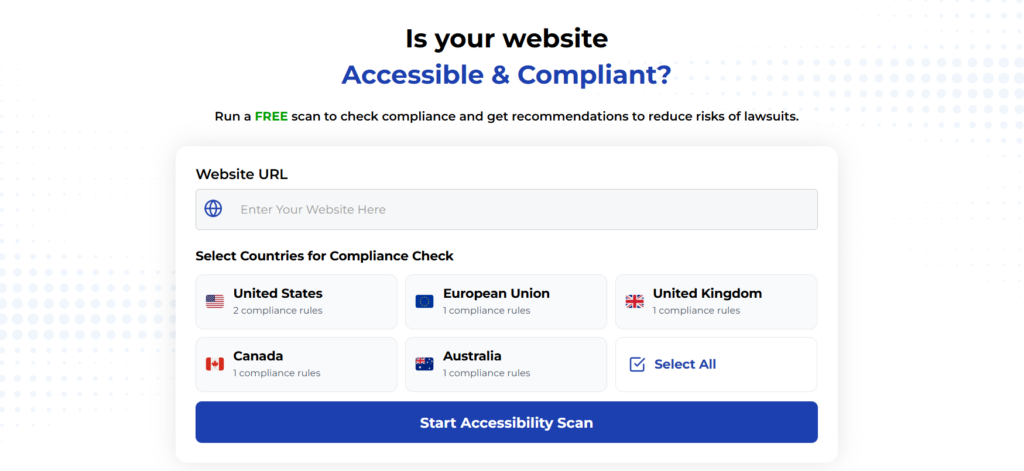
Run a FREE scan to check compliance and get recommendations to reduce risks of lawsuits
Final Thoughts
Are you ready to make your digital world more open? Start by seeing where you stand. Run a check on your website with our free accessibility scanner to find areas for improvement.
Run a Free Scan to Find E-commerce Accessibility Barriers
Curious about where your site stands? An automated scan is a great first step to identify potential accessibility issues on your e-commerce platform. Run a free scan on our website today to get an initial report on your site’s accessibility health.
Want More Help?
Try our free website accessibility scanner to identify heading structure issues and other accessibility problems on your site. Our tool provides clear recommendations for fixes that can be implemented quickly.
Join our community of developers committed to accessibility. Share your experiences, ask questions, and learn from others who are working to make the web more accessible.