


94% of European Websites Exclude Millions of Users
The numbers don’t lie. A recent Digital Trust Index study revealed that 94% of European websites fail basic accessibility standards. This means millions of people with disabilities can’t use most websites effectively. If you run a business online, your site probably falls into this category too.
This isn’t just about compliance anymore. The European Accessibility Act takes effect in 2025, making accessibility mandatory for many digital services. But beyond legal requirements, you’re missing out on a massive audience. People with disabilities represent over 100 million Europeans with significant purchasing power.
The good news? Most accessibility barriers are fixable once you know what to look for. This article breaks down the most common problems and shows you exactly how to address them without getting overwhelmed by technical jargon.
The Reality Behind Europe’s Accessibility Crisis
European websites consistently fail accessibility testing at alarming rates. The Digital Trust Index findings show that even major brands struggle with basic requirements like proper heading structure and keyboard navigation.
What makes this particularly concerning is that many of these failures affect multiple disability types simultaneously. A missing alt text attribute doesn’t just impact screen reader users – it also affects people with cognitive disabilities who rely on images for context.
The problem spans across industries. E-commerce sites often have inaccessible checkout processes. News websites frequently use poor color contrast. Government portals sometimes lack proper form labels. Even accessibility-focused organizations occasionally miss basic requirements on their own sites.
Small businesses face unique challenges here. They often lack dedicated development teams or accessibility expertise. Many assume accessibility requires expensive overhauls or specialized knowledge. But most barriers stem from simple oversights that anyone can learn to spot and fix.
Visual Barriers That Block Screen Reader Users
Screen readers convert website content into speech or braille. When websites lack proper structure, these tools can’t function effectively. The most common visual accessibility failures create immediate barriers for blind and visually impaired users.
Missing Alt Text Descriptions
Images without alt text appear as blank spaces to screen readers. This affects product photos, infographics, charts, and decorative elements. Users miss critical information or get confused by unexplained gaps in content.
The fix involves writing descriptive alt text that conveys the image’s purpose. For a product photo, describe what the item looks like and its key features. For charts, summarize the data trends. Decorative images can use empty alt attributes.
Poor Color Contrast Ratios
Text that doesn’t contrast sufficiently with its background becomes unreadable for people with visual impairments. This includes light gray text on white backgrounds or colorful text on busy patterns.
WCAG requires specific contrast ratios: 4.5:1 for normal text and 3:1 for large text. Many websites use trendy color schemes that look modern but fail these requirements. Testing tools can quickly identify contrast problems across your site.
Unclear Link Descriptions
Links labeled “click here” or “read more” don’t tell screen reader users where they lead. When someone navigates by links alone, these generic descriptions become meaningless.
Effective link text describes the destination or action. Instead of “click here for our privacy policy,” use “read our privacy policy.” This helps all users understand link purposes without additional context.
Navigation Problems That Trap Keyboard Users
Many people can’t use a mouse due to motor disabilities. They navigate websites using only keyboards, typically with Tab and Enter keys. When sites don’t support keyboard navigation properly, these users get stuck or can’t access important features.
Missing Focus Indicators
Focus indicators show which element is currently selected during keyboard navigation. Without visible focus, users can’t tell where they are on the page. Some sites remove focus indicators for aesthetic reasons, creating major usability barriers.
WCAG 2.2 strengthened focus visibility requirements. The indicator must be clearly visible and maintain sufficient contrast against all backgrounds. This often means using bold outlines or high-contrast colors around focused elements.
Inaccessible Dropdown Menus
Many dropdown menus only work with mouse hover actions. Keyboard users can’t access submenu items or get trapped within menu structures. Mobile users also struggle with hover-dependent navigation.
Accessible dropdowns respond to both mouse and keyboard interactions. They use proper ARIA attributes to communicate menu relationships to assistive technologies. Users should be able to open, navigate, and close menus using standard keyboard commands.
Skip Navigation Links
Websites often repeat navigation menus on every page. Keyboard users must tab through dozens of links to reach main content. Skip links let users jump directly to important page sections.
These links typically appear at the top of pages and become visible when focused. They should lead to main content areas, search functions, or other frequently accessed sections. This simple addition dramatically improves navigation efficiency.
Structural Issues That Confuse Everyone
Website structure affects all users, but people with disabilities rely on it more heavily. Screen readers use heading hierarchies to create page outlines. Cognitive disabilities make complex layouts harder to understand. Poor structure creates confusion and navigation difficulties.
Broken Heading Hierarchies
Headings should follow logical order: H1 for main titles, H2 for major sections, H3 for subsections. Many sites skip levels or use headings purely for visual styling. This breaks the logical content flow that assistive technologies depend on.
Screen readers let users navigate by headings, creating instant page overviews. When heading levels are inconsistent, users can’t understand content relationships or find specific sections quickly.
Missing Form Labels
Forms without proper labels leave users guessing about input requirements. Screen readers can’t associate labels with form fields, making completion nearly impossible. Visual users also benefit from clear, descriptive labels.
Every form input needs an associated label that describes its purpose. Labels should be positioned consistently and remain visible when fields are focused. Error messages must clearly identify problems and suggest solutions.
Inaccessible Data Tables
Complex tables without proper headers become incomprehensible to screen reader users. They can’t understand data relationships or navigate table content effectively. Simple visual tables often work fine, but data tables need additional markup.
Table headers must be properly marked and associated with data cells. Row and column headers help users understand their position within large tables. Captions should describe table purposes and key findings.
Real User Impact – Beyond Compliance Checkboxes
The statistics tell one story, but individual experiences reveal the true impact of inaccessible websites. Sarah, a marketing professional who’s blind, spends extra time researching products because most e-commerce sites have poor image descriptions. She often abandons purchases when checkout processes don’t work with her screen reader.
David, who has limited hand mobility, relies on keyboard navigation for all computer tasks. He frequently encounters websites where important buttons can’t be reached without a mouse. This forces him to seek alternative services or ask others for help with online tasks.
These aren’t edge cases. Millions of Europeans face similar barriers daily. They adapt, work around problems, or simply give up on inaccessible sites. Each barrier represents lost opportunities for both users and businesses.
The ripple effects extend beyond individual frustration. Inaccessible websites reinforce social exclusion and limit economic participation. When people can’t access online services independently, they lose autonomy and face additional barriers to employment, education, and social connection.
The Business Case | Missing Revenue and Market Share
Accessible websites don’t just help users with disabilities – they create better experiences for everyone. The business benefits often surprise organizations focused solely on compliance requirements.
Expanded Market Reach
People with disabilities represent significant purchasing power. In Europe, this community controls hundreds of billions in annual spending. When your website excludes these users, competitors who prioritize accessibility capture that revenue instead.
The market extends beyond people with permanent disabilities. Temporary impairments, situational limitations, and aging-related changes affect everyone at some point. Accessible design serves these broader audiences too.
Improved SEO Performance
Search engines and screen readers interpret websites similarly. Both rely on proper heading structures, descriptive link text, and clear content organization. Many accessibility improvements directly boost search rankings.
Alt text helps search engines understand image content. Proper heading hierarchies improve content indexing. Fast-loading, well-structured sites rank higher and provide better user experiences across all devices.
Reduced Legal Risk
European Accessibility Act enforcement begins in 2025. Non-compliant businesses face potential lawsuits and regulatory penalties. Early adoption provides competitive advantages while reducing legal exposure.
Accessibility lawsuits are increasing globally. Proactive compliance costs less than reactive fixes after legal challenges. Insurance companies are also beginning to consider accessibility practices when assessing cyber liability coverage.
Getting Started | Your First Accessibility Audit
Before fixing problems, you need to identify them. Accessibility auditing combines automated testing tools with manual evaluation techniques. This dual approach catches different types of barriers and provides actionable improvement priorities.
Automated Testing Benefits
Automated tools quickly scan entire websites for common accessibility violations. They check color contrast ratios, identify missing alt text, and flag structural problems. These tools provide excellent starting points for accessibility improvements.
Popular automated testing options include browser extensions, online scanners, and integrated development tools. Many offer free versions that cover basic WCAG requirements. Results typically include severity ratings and specific remediation suggestions.
However, automated tools only catch about 30% of accessibility barriers. They can’t evaluate content quality, user experience flows, or complex interaction patterns.
Manual Testing Techniques
This testing involves using websites the way people with disabilities actually do. This includes keyboard-only navigation, screen reader testing, and cognitive load assessment. These techniques reveal problems that automated tools miss.
Start with keyboard navigation. Can you reach all interactive elements using only Tab, Enter, and arrow keys? Do focus indicators clearly show your current position? Can you complete important tasks without touching a mouse?
Screen reader testing provides deeper insights into content accessibility. Free screen readers like NVDA let you experience websites from a blind user’s perspective. This often reveals unclear content, confusing navigation, and missing context that visual users take for granted.
Fixing Common WCAG Violations Step by Step
Most websites fail accessibility standards due to a handful of common violations. Addressing these issues systematically creates significant improvements without overwhelming development resources.
Alt Text Implementation
Every meaningful image needs descriptive alt text. Start by identifying all images on your site, then categorize them by purpose. Product images need detailed descriptions. Decorative images can use empty alt attributes. Complex images like charts may need longer descriptions.
Write alt text that conveys the image’s purpose within its context. For a “Contact Us” button image, “Contact Us” works better than “blue button with white text.” For product photos, describe key visual features that influence purchasing decisions.
Test your alt text by having someone read it aloud without showing the image. Does the description provide equivalent information? Would a blind user understand the image’s purpose and content from your description alone?
Keyboard Navigation Fixes
Ensure all interactive elements can be reached and operated using only a keyboard. This includes buttons, links, form fields, dropdown menus, and custom controls. Focus indicators must be clearly visible throughout the navigation process.
Test your site’s tab order by pressing Tab repeatedly. Does the focus move logically through page content? Can you activate buttons and links using Enter or Space keys? Are there any elements you can’t reach or operate?
For complex interactions like image carousels or accordion menus, implement proper ARIA attributes and keyboard event handlers. Users should be able to operate these features using standard keyboard conventions.
Color Contrast Corrections
Use contrast checking tools to identify text that doesn’t meet WCAG requirements. Focus on body text, button labels, and form inputs first, as these affect the most users. Don’t rely solely on color to convey important information.
When adjusting colors, test changes across different devices and lighting conditions. What looks fine on a high-end monitor might be unreadable on older displays or in bright sunlight. Consider users with various types of color vision differences.
Maintain your brand identity while improving contrast. Often, small adjustments to existing colors provide sufficient contrast without major design changes. Darker text or lighter backgrounds usually solve most contrast problems.
Creating Effective Accessibility Statements
Accessibility statements communicate your commitment to inclusive design while providing users with important information about your site’s current accessibility status. These statements serve legal, practical, and relationship-building purposes.
Essential Statement Components
Your accessibility statement should identify which accessibility standards you’re targeting, typically WCAG 2.1 or 2.2 at AA level. Include the date of your last accessibility assessment and any known limitations or barriers that haven’t been resolved yet.
Provide clear contact information for accessibility-related feedback. Users often discover barriers that testing missed or have specific needs that require accommodation. Responsive communication builds trust and demonstrates genuine commitment to accessibility.
List the assistive technologies you’ve tested with, such as specific screen readers or voice recognition software. This helps users understand compatibility and sets appropriate expectations for their experience on your site.
Avoiding Common Statement Mistakes
Don’t claim full compliance unless you’ve conducted thorough testing and resolved all identified barriers. Overstating your accessibility status creates legal liability and disappoints users who encounter problems.
Avoid generic, template-based statements that don’t reflect your actual accessibility efforts. Users can tell when statements are boilerplate text rather than genuine commitments backed by real testing and remediation work.
Keep statements current by updating them regularly as you make improvements or discover new barriers. Outdated statements suggest neglect and undermine user confidence in your accessibility efforts.
Setting Up Ongoing Accessibility Monitoring
Accessibility isn’t a one-time project – it requires ongoing attention as content changes and new features are added. Successful organizations build accessibility considerations into their regular workflows and quality assurance processes.
Automated Monitoring Systems
Set up automated accessibility scanning that runs regularly against your website. Many tools can monitor sites continuously and alert you to new violations as they appear. This catches problems before they affect users.
Integrate accessibility checking into your content management and development processes. When team members add new content or features, automated tools can flag potential barriers immediately. This prevents accessibility debt from accumulating over time.
However, don’t rely solely on automated monitoring. These tools miss many barriers and sometimes report false positives. Combine automated scanning with regular manual testing and user feedback collection.
User Feedback Channels
Create easy ways for users to report accessibility barriers they encounter. This might include dedicated email addresses, feedback forms, or phone numbers specifically for accessibility issues. Respond promptly and keep users informed about resolution progress.
Consider establishing relationships with local disability organizations or accessibility consultants who can provide regular feedback on your site’s usability. Their insights often reveal barriers that internal testing misses.
Document and track accessibility feedback to identify patterns and prioritize improvements. If multiple users report similar problems, those issues likely affect many others who don’t provide feedback.
Building Accessibility Into Your Team Culture
Long-term accessibility success requires organizational commitment beyond individual projects. Teams need training, tools, and processes that make accessibility a natural part of their work rather than an afterthought.
Training and Awareness
Provide accessibility training for everyone who creates or manages digital content. This includes writers, designers, developers, marketers, and content managers. Each role contributes to accessibility outcomes in different ways.
Focus training on practical skills rather than abstract concepts. Show team members how to write effective alt text, create accessible documents, and test their work with assistive technologies. Hands-on experience builds understanding and confidence.
Regular refresher training keeps accessibility knowledge current as standards evolve and new team members join. Consider bringing in external trainers or sending team members to accessibility conferences for deeper learning.
Process Integration
Build accessibility checkpoints into your existing workflows. This might include accessibility reviews during design phases, testing requirements before content publication, or accessibility criteria in quality assurance checklists.
Make accessibility tools easily available to team members. Browser extensions, color contrast checkers, and screen readers should be installed and ready to use. Remove barriers to accessibility testing within your organization.
Celebrate accessibility improvements and recognize team members who champion inclusive design. Positive reinforcement helps establish accessibility as a valued skill and organizational priority.
Measuring Your Progress and Success
Track your accessibility improvements using both quantitative metrics and qualitative feedback. This helps demonstrate progress, identify areas needing attention, and justify continued investment in accessibility initiatives.
Quantitative Accessibility Metrics
Monitor the number and severity of accessibility violations found during regular testing. Track trends over time to see whether your efforts are reducing barriers effectively. Focus on violations that affect the most users or create the most significant barriers.
Measure task completion rates for users with disabilities compared to the general population. Significant gaps suggest remaining accessibility barriers that need attention. User testing with people who have disabilities provides the most accurate success metrics.
Track accessibility-related support requests and complaints. Decreasing numbers suggest improving accessibility, while increasing requests might indicate new problems or growing user awareness of your accessibility efforts.
Qualitative Success Indicators
Collect detailed feedback from users with disabilities about their experiences on your site. Their insights reveal whether technical compliance translates into actual usability improvements. Focus on task completion ease and overall satisfaction.
Monitor online reviews and social media mentions related to your site’s accessibility. Positive comments from disability community members indicate genuine accessibility success beyond mere compliance.
Assess your team’s accessibility knowledge and confidence through surveys or informal discussions. Growing expertise within your organization supports long-term accessibility success and reduces dependence on external consultants.
Your Next Steps | From Awareness to Action
Understanding accessibility problems is just the beginning. Real progress requires systematic action and sustained commitment. Start with the most impactful changes and build momentum through early successes.
Begin by running a free accessibility scan on your website using tools available at Accessibility-Test.org. This provides a baseline assessment and identifies the most critical barriers affecting your users right now.
Focus your initial efforts on the most common violations: missing alt text, poor color contrast, and keyboard navigation problems. These fixes often provide the biggest impact for the least effort, creating positive momentum for larger accessibility initiatives.
Don’t try to fix everything at once. Prioritize barriers that affect the most users or prevent completion of important tasks. Gradual, consistent progress works better than overwhelming attempts at immediate perfection.
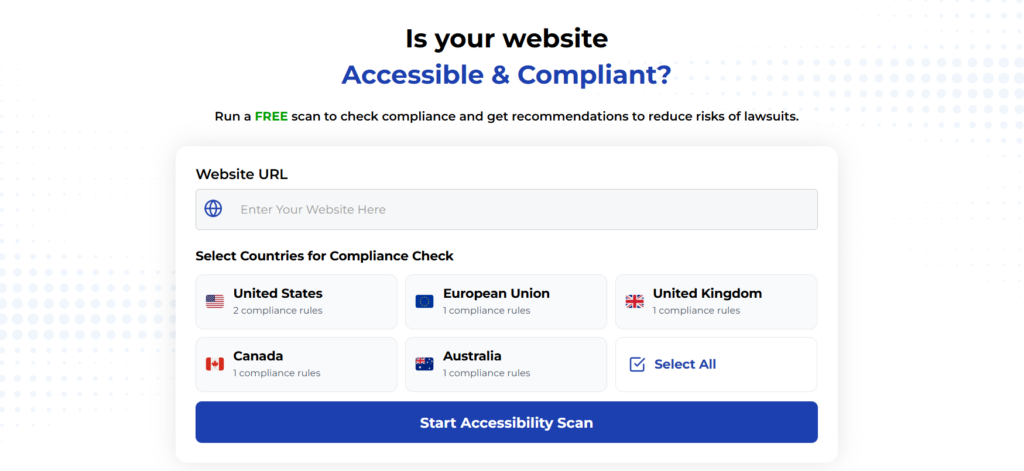
Using Automated Tools for Quick Insights (Accessibility-Test.org Scanner)
Automated testing tools provide a fast way to identify many common accessibility issues. They can quickly scan your website and point out problems that might be difficult for people with disabilities to overcome.
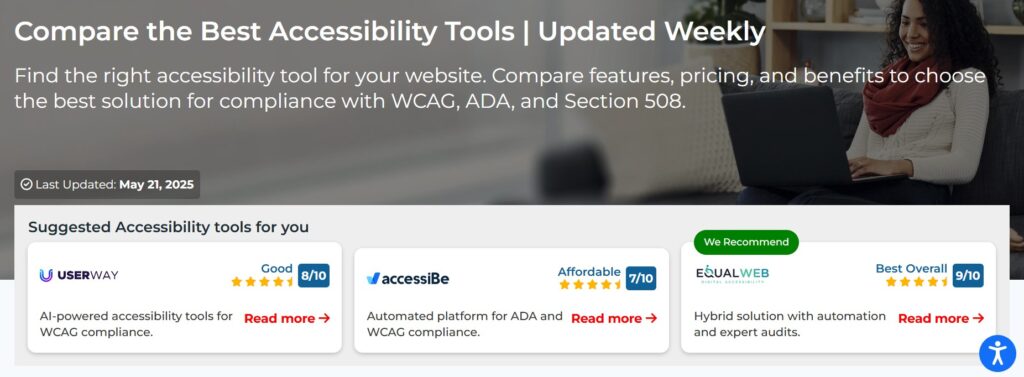
Visit Our Tools Comparison Page!
Run a FREE scan to check compliance and get recommendations to reduce risks of lawsuits
Final Thoughts
Remember that accessibility benefits everyone, not just people with disabilities. The improvements you make will create better experiences for all your users while expanding your potential market and reducing legal risks.
The 94% failure rate among European websites represents both a challenge and an opportunity. By taking action now, you can differentiate your organization while serving users who are often overlooked by your competitors. Start today, and join the 6% of websites that welcome everyone.
Want More Help?
Try our free website accessibility scanner to identify heading structure issues and other accessibility problems on your site. Our tool provides clear recommendations for fixes that can be implemented quickly.
Join our community of developers committed to accessibility. Share your experiences, ask questions, and learn from others who are working to make the web more accessible.