



Making Smart Devices Work for Everyone
Smart devices are everywhere now. Your home probably has at least one voice assistant, smart thermostat, or connected appliance. Workplaces use IoT systems to control lighting, security, and climate. But here’s the thing; many of these devices create barriers for people with disabilities instead of removing them.
The Internet of Things promises to make life easier, but only if we design these devices with accessibility in mind from the start. When done right, IoT can give people with disabilities more independence and control over their environment. When done wrong, it becomes another frustration they have to work around.
This isn’t just about being nice; it’s about compliance too. The ADA applies to digital interfaces, and that includes your smart devices. With over 4,000 ADA Title III lawsuits filed in 2021 alone, businesses can’t afford to ignore accessibility in their IoT implementations.
IoT Device Interface Accessibility Standards
Most IoT devices fail basic accessibility tests because manufacturers don’t think about users with disabilities during design. The result? Tiny touchscreens that can’t be operated by people with motor impairments, interfaces that don’t work with screen readers, and controls that require perfect vision to use.
WCAG Standards Apply to IoT Interfaces
The Web Content Accessibility Guidelines don’t just cover websites; they apply to any digital interface, including IoT device screens and mobile apps. This means your smart thermostat’s touchscreen needs to meet the same contrast requirements as your website. Your device’s companion app must work with assistive technologies.
WCAG 2.2 introduced new requirements that directly impact IoT design. The minimum touch target size of 44×44 pixels matters when you’re designing controls for smart home panels. Enhanced focus indicators become important when users navigate IoT interfaces with keyboards or switch devices.
Physical Design Considerations
IoT devices need physical accessibility features too. Large buttons with tactile feedback help users with visual impairments locate controls. Devices mounted at wheelchair-accessible heights ensure everyone can reach them. Alternative input methods like voice control or gesture recognition remove barriers for users with limited dexterity.
The placement of status lights and displays matters. Users with low vision need high-contrast indicators they can actually see. Audio feedback helps when visual indicators aren’t enough. Some users need both; redundant feedback through multiple channels ensures everyone gets the information they need.
Interface Design Principles
Simple, consistent interfaces work better for everyone. Complex menu structures confuse users with cognitive disabilities. Inconsistent button layouts frustrate people who rely on muscle memory. Clear, descriptive labels help screen reader users understand what each control does.
Color can’t be the only way to convey information. That red light indicating an error? It needs a text label or audio alert too. Status indicators need sufficient contrast ratios; at least 3:1 for non-text elements under WCAG 2.2.
Voice Control and Alternative Input Methods
Voice assistants have changed how people with disabilities interact with technology. For someone who can’t use their hands, voice control provides independence they never had before. But voice technology isn’t perfect, and it doesn’t work for everyone.
Amazon Alexa’s Accessibility Features
Amazon has made real progress with accessibility features. Eye Gaze on Alexa lets users control devices using only eye movements. This works on Fire Max 11 tablets and can be customized with different actions, colors, and icons to match individual needs.
Show and Tell helps people with visual impairments identify packaged foods by holding items in front of an Echo Show’s camera. VoiceView Screen Reader enables navigation of Echo Show devices through gestures while providing audio descriptions. Call Captioning displays near real-time captions for Alexa calls, helping users who are deaf or hard of hearing.
Tap to Alexa works with Bluetooth switches, expanding access for people with mobility impairments. Users can navigate Fire tablets using external switch devices, creating multiple pathways for interaction based on their abilities and preferences.
Google Assistant Integration Benefits
Google Assistant benefits from tight integration with Android’s accessibility features. TalkBack screen reader works seamlessly with voice commands. Switch Access allows external switches or keyboards instead of touchscreen interaction. Camera Switches turn the front-facing camera into a switch system using eye movements and facial gestures.
This integration means users don’t need to learn separate accessibility systems for voice interaction versus general mobile use. The consistency reduces cognitive load and provides more predictable experiences across different devices and applications.
Speech Recognition Limitations
Voice technology still struggles with diverse accents, dialects, and speech patterns. People with speech impairments often can’t use voice control effectively. Background noise interferes with recognition accuracy. These limitations exclude many potential users from voice-controlled IoT systems.
Alternative input methods become important when voice control doesn’t work. Switch access, eye tracking, and gesture recognition provide other ways to interact with smart devices. The best IoT systems offer multiple input options so users can choose what works best for them.
Smart Home Accessibility Integration Strategies
Smart homes can provide incredible independence for people with disabilities; or they can create new barriers. The difference lies in how you design and configure these systems.
Environmental Control Through Voice Commands
Voice-controlled smart homes give people with mobility impairments control over their environment without physical interaction. Lighting, thermostats, security systems, and appliances respond to spoken commands. For someone who uses a wheelchair or has limited mobility, this capability provides significant independence in managing their living space safely.
The integration extends beyond basic on/off controls. Smart homes can adjust lighting based on time of day to help people with visual impairments navigate safely. Automated door locks provide security without requiring users to physically operate keys or handles. Smart thermostats maintain comfortable temperatures without manual adjustment.
Visual and Auditory Feedback Systems
Smart home systems need to communicate status through multiple channels. Visual indicators help some users, but others need audio feedback. The best systems provide both; and make them customizable.
Status announcements through smart speakers keep users informed about system changes. “Front door locked” or “Living room lights dimmed to 30%” confirms that commands worked as expected. Visual displays show the same information for users who prefer or need to see status updates.
Customization for Individual Needs
Every person’s accessibility needs are different. Smart home systems must accommodate this through extensive customization options. Voice command phrases can be personalized to match how someone naturally speaks. Device groupings can be organized to match how someone thinks about their space.
Automation rules can compensate for specific disabilities. Motion sensors can turn on lights automatically for someone with mobility impairments who can’t easily reach switches. Smart doorbells with video feeds help people with hearing impairments know when someone’s at the door. Medication reminders through smart speakers support people with cognitive disabilities.
Workplace IoT Accessibility Considerations
Workplace IoT systems affect how employees with disabilities can do their jobs. Conference room booking systems, environmental controls, and security access all need to work for everyone on your team.
Conference Room and Meeting Technology
Smart conference rooms often rely on touchscreen controls that exclude users with visual impairments or motor disabilities. Voice control provides an alternative, but it needs to work reliably in noisy environments. Physical backup controls ensure access when technology fails.
Meeting room displays need high contrast and large text for users with low vision. Audio descriptions of visual content help blind participants follow presentations. Hearing loops integrate with hearing aids for better audio quality. These features benefit everyone, not just users with disabilities.
Environmental Control Systems
Smart building systems control lighting, temperature, and air quality throughout the workplace. These systems need accessible interfaces so all employees can adjust their environment as needed. Mobile apps that control building systems must work with screen readers and other assistive technologies.
Personal environmental controls matter too. Individual desk lighting that responds to voice commands helps employees with visual impairments. Temperature controls accessible through smartphone apps accommodate people who can’t reach physical thermostats. Air quality monitoring with audio alerts supports employees with respiratory conditions.
Access Control and Security
Smart locks and security systems can improve accessibility when designed properly. Smartphone-based access eliminates the need to fumble with physical keys. Voice-activated entry systems help users with motor impairments. But these systems need backup methods when technology fails.
Facial recognition systems often don’t work well for people with certain disabilities or medical conditions. Alternative identification methods ensure everyone can access the building. Security cameras with audio capabilities help security staff assist employees who need help.
Digital Workplace Integration
IoT sensors can make workplaces more accessible through environmental monitoring and automated adjustments. Occupancy sensors can reserve quiet spaces for employees who need them. Air quality monitors can trigger ventilation changes that help employees with respiratory conditions. Lighting sensors can automatically adjust brightness for employees with visual impairments.
These systems work best when they integrate with existing workplace accessibility accommodations. Someone who uses a screen reader should be able to access IoT system status through their assistive technology. Voice control systems should recognize the speech patterns of employees with speech disabilities.
IoT Security and Privacy for Users with Disabilities
People with disabilities often depend more heavily on IoT devices, making security and privacy even more important for this population. A compromised smart home system isn’t just inconvenient; it can eliminate someone’s independence.
Healthcare Data Protection
IoT devices often collect health-related information, especially for users with disabilities. Smart medication dispensers track dosing schedules. Mobility monitoring systems record movement patterns. Sleep tracking devices monitor rest quality. This data needs protection from unauthorized access and breaches.
Personal Health Records (PHRs) from IoT devices require encryption before storage or transmission. Healthcare IoT systems should divide into separate domains to limit data exposure if one system is compromised. Users need control over who can access their health data and how it’s used.
Location Privacy Concerns
Many accessibility-focused IoT devices track location data to provide services. GPS-enabled devices help caregivers locate family members with cognitive disabilities. Smart home systems log when people enter and leave rooms. This location data needs protection through security protocols and user controls.
Users should be able to control location tracking granularity. Someone might want their smart home to know which room they’re in but not share that data with third parties. Privacy settings need to be accessible through screen readers and other assistive technologies.
Identity Protection and Data Anonymization
IoT systems for users with disabilities often collect sensitive personal information beyond health data. Voice assistants record speech patterns that could reveal speech disabilities. Smart home sensors track daily routines that indicate care needs. This information needs protection through pseudonymization and identity management systems.
Data anonymization becomes more challenging when dealing with disability-related information. Small datasets and unique usage patterns can make individuals identifiable even in anonymized data. IoT systems need robust anonymization techniques that protect user privacy while still providing useful services.
Secure Communication Protocols
IoT devices communicate constantly, creating multiple points where data could be intercepted. Encryption during data transmission protects against eavesdropping. Secure authentication prevents unauthorized device access. Regular security updates patch newly discovered vulnerabilities.
Users with disabilities may have difficulty managing complex security settings. IoT systems need secure defaults that don’t require technical expertise to maintain. Automatic security updates ensure protection without user intervention. Clear, accessible notifications inform users about security status and any required actions.
Physical Device Security
IoT devices in homes and workplaces face physical security risks. Small, wireless devices can be stolen or tampered with. Devices storing sensitive data need secure storage that protects information even if the device is compromised.
Physical access controls become more complex when users have disabilities. Someone with motor impairments might not be able to enter complex passwords on small device keyboards. Biometric authentication might not work for users with certain disabilities. IoT systems need multiple authentication options that accommodate different abilities while maintaining security.
Vendor Management and Third-Party Risks
Many IoT systems rely on third-party services and cloud platforms. Users with disabilities need assurance that all components of their IoT ecosystem meet accessibility and security standards. Vendor contracts should include accessibility requirements and security commitments.
Regular security audits should test both the technical security of IoT systems and their accessibility features. A security update that breaks screen reader compatibility creates new barriers for users with disabilities. Testing processes need to include users with disabilities to catch these issues before deployment.
The future of IoT accessibility depends on designing with inclusion from the start, not retrofitting accessibility later. As IoT systems become more prevalent in homes and workplaces, their accessibility will determine whether they increase independence for people with disabilities or create new barriers to overcome.
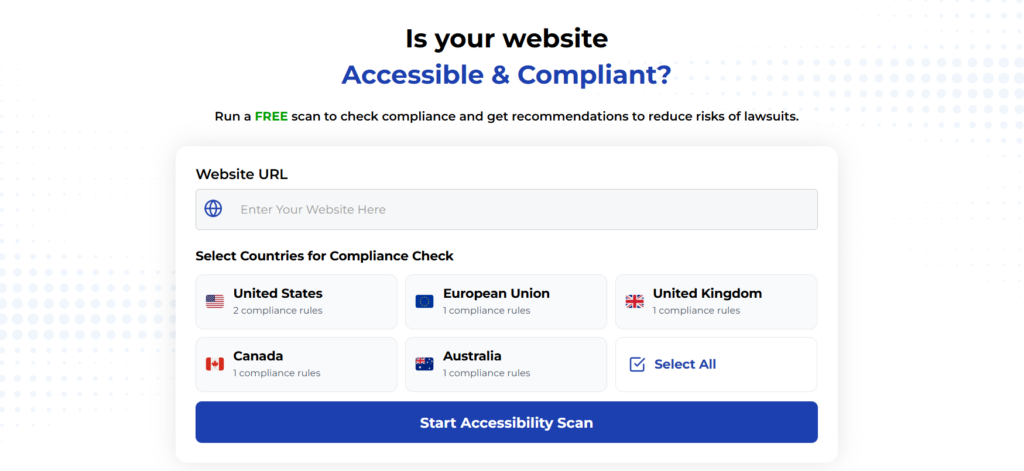
Using Automated Tools for Quick Insights (Accessibility-Test.org Scanner)
Automated testing tools provide a fast way to identify many common accessibility issues. They can quickly scan your website and point out problems that might be difficult for people with disabilities to overcome.
Visit Our Tools Comparison Page!
Run a FREE scan to check compliance and get recommendations to reduce risks of lawsuits
Final Thoughts
Smart devices have the potential to transform daily life for people with disabilities, but only if we build them right. That means following accessibility standards, providing multiple input methods, protecting user privacy, and testing with real users who have disabilities. The technology exists; we just need to use it thoughtfully.
Ready to make your IoT systems more accessible? Start by auditing your current devices and interfaces using our free accessibility scanner to identify immediate improvement opportunities.
Want More Help?
Try our free website accessibility scanner to identify heading structure issues and other accessibility problems on your site. Our tool provides clear recommendations for fixes that can be implemented quickly.
Join our community of developers committed to accessibility. Share your experiences, ask questions, and learn from others who are working to make the web more accessible.