



How AI Is Changing Compliance in Europe
Digital accessibility isn’t just a technical requirement anymore; it’s a legal and business priority across Europe. With the European Accessibility Act (EAA) now enforced, organizations must ensure their websites and digital products are usable by everyone, including over 110 million people with disabilities in the EU. The surge of AI-powered accessibility testing tools is changing how teams approach compliance, making it possible to catch issues faster and keep up with evolving standards like WCAG 2.1 and EN 301 549. But AI isn’t a cure-all. Let’s break down what these tools can do, where they fall short, and how you can blend automation with hands-on testing to keep your site accessible and compliant.
Why AI Accessibility Testing Matters in 2025
The EAA has raised the stakes for digital accessibility. Companies now face not just reputational risk, but real legal and financial penalties for inaccessible websites. At the same time, the sheer volume of digital content makes manual testing alone impossible for most teams. That’s where automation comes in.
AI-powered accessibility testing tools are now a staple for development teams, QA specialists, and business owners. They can scan hundreds of pages in minutes, flagging technical barriers that might otherwise go unnoticed until a user complains; or worse, files a lawsuit. According to recent research, automated tools now catch up to 57% of typical accessibility issues, a big jump from only 30-40% just a few years ago.
But numbers only tell part of the story. The real value of AI testing is speed and consistency. Automated scans give you a baseline, helping you spot recurring problems and track progress over time. That’s crucial for businesses that update their sites frequently or manage large content libraries.
What AI Accessibility Testing Tools Can Do
Automated Scans for Common WCAG Failures
Let’s get specific. AI accessibility tools shine when it comes to identifying technical problems that often block users with disabilities. Here’s what they’re good at:
- Alt text for images: Missing or incorrect alt text is one of the most common WCAG failures. Automated tools can quickly flag images that lack descriptions or have empty alt attributes.
- Color contrast: Many users with low vision struggle with poor color contrast. AI scanners measure contrast ratios and highlight areas that fall below WCAG thresholds.
- Heading structure: Logical heading order is critical for screen reader navigation. Automated tools check for skipped heading levels or missing H1 tags.
- Form labels and ARIA attributes: Unlabeled form fields can make checkout or signup impossible for screen reader users. AI tools flag missing labels and improper ARIA usage.
- Keyboard accessibility: Automated scans can detect elements that aren’t reachable or operable by keyboard, such as buttons without focus indicators or inaccessible dropdown menus.
- Link text: Tools can identify vague link text like “click here,” which doesn’t help users understand where the link goes.
These features help teams catch the most obvious and frequent accessibility barriers. For example, a large e-commerce site might run daily scans to catch new issues as products and promotions change. This approach keeps accessibility top-of-mind and prevents regressions.
Reporting and Tracking
Most AI accessibility testing tools generate detailed reports. These reports often include:
- Lists of detected issues, sorted by severity and WCAG criterion.
- Screenshots or code snippets showing exactly where the problem occurs.
- Suggested fixes and links to relevant documentation.
- Progress tracking over time, so you can see if your site is getting more accessible; or slipping backward.
Some tools even integrate with project management platforms, making it easier to assign fixes and monitor completion.
What AI Accessibility Testing Tools Can’t Do
The Limits of Automation
While AI tools are powerful, they have real limitations. Here’s where manual testing still matters:
- Context and meaning: AI can’t always tell if your alt text is meaningful, or if your navigation makes sense to a real user. For example, “image123.jpg” as alt text passes a technical check, but it’s useless for someone using a screen reader.
- Complex interactions: Dynamic content, custom widgets, and interactive forms often confuse automated tools. AI might miss problems with focus order, ARIA roles, or how error messages are announced.
- Cognitive accessibility: AI can’t judge if your instructions are clear or if your content is easy to understand for users with cognitive disabilities.
- False positives and negatives: Automated tools sometimes flag issues that aren’t real problems, or miss subtle barriers entirely.
- Mobile and touch interfaces: Many tools focus on desktop experiences and may overlook accessibility problems unique to mobile devices.
That’s why the EAA and WCAG both stress the importance of manual testing, especially with real users and assistive technologies.
Real-World Stories | European Companies Using AI for Faster Compliance
Case 1: Fintech Firms Racing the EAA Deadline
Fintech companies in Europe have faced a wake-up call. According to a 2024 audit, only 31% of major fintech sites met basic accessibility requirements like keyboard navigation and focus visibility. To close the gap before the EAA deadline, many firms turned to automated testing tools. They ran weekly scans to catch new barriers as they updated their platforms, then brought in accessibility consultants for manual audits of complex flows like loan applications and account management.
Case 2: Retailers and E-Commerce
Large retailers have embraced automation to keep up with rapid content changes. One major online store set up daily scans using an AI-powered tool, catching issues like missing alt text on new product images and color contrast problems in promotional banners. These automated checks reduced the time to fix issues from weeks to days, but the company still relied on manual testing for checkout and account creation flows.
Case 3: Public Sector and Enterprise
Government agencies and enterprises face strict accessibility requirements under both the EAA and national laws. Many now use a hybrid approach: automated scans for routine checks, paired with quarterly manual audits by users of screen readers and other assistive tech. This combination has helped them avoid fines and improve digital services for everyone.
How to Use Automated Accessibility Testing in Your Workflow
Step 1: Choose the Right Tool
Start by picking an accessibility testing tool that fits your needs. Some popular options include Axe DevTools, WAVE, Lighthouse, and Accessibility-Test.org’s own scanner. Look for features like:
- Support for EN 301 549 and WCAG 2.1/2.2 standards.
- Detailed reporting with actionable advice.
- Integration with your development workflow (browser extensions, CI/CD, APIs).
- Tracking and monitoring features to catch regressions.
Step 2: Set Up Regular Scans
Schedule automated scans of your site; weekly for most, daily for high-traffic or frequently updated sites. Automated testing helps you catch new issues as soon as they appear.
- For e-commerce, scan after every major content or code update.
- For SaaS platforms, integrate scans into your CI/CD pipeline.
- For public sector, schedule scans before and after major releases.
Step 3: Review and Prioritize Results
Automated reports can be overwhelming. Focus on:
- High-severity issues that block access to content or critical features.
- Issues that affect large numbers of users (e.g., missing alt text on navigation icons).
- Recurring problems that indicate systemic issues in your codebase.
Assign fixes to your development team and use the tool’s remediation advice to guide your work.
Step 4: Combine with Manual Testing
After addressing automated findings, bring in manual testers:
- Use screen readers like NVDA, JAWS, or VoiceOver to test navigation and content.
- Check keyboard-only navigation for all interactive elements.
- Test with real users who have disabilities, focusing on complex flows like checkout, registration, or document downloads.
Manual testing fills the gaps left by automation and ensures your site is truly usable.
Choosing the Best Accessibility Testing Tool for EAA Compliance
What Features Matter Most?
When selecting an accessibility testing tool, consider:
- Screen reader simulation: Some tools attempt to mimic how a screen reader interprets your site. While helpful, nothing beats real user testing for complex interactions.
- Code validation: Look for tools that check HTML, ARIA, and CSS for accessibility errors.
- EN 301 549 and WCAG coverage: Make sure the tool addresses both European and international standards.
- Reporting and remediation guidance: Clear, actionable reports help your team fix issues faster.
- Integration with development workflows: Tools like Axe and Lighthouse offer browser extensions and can be added to CI/CD pipelines for continuous monitoring.
Accessibility-Test.org’s Scanner and Reporting Features
Accessibility-Test.org’s scanner offers:
- Fast, automated scans for common WCAG and EAA issues.
- Detailed, actionable reports with links to internal resources and remediation steps.
- Progress tracking and monitoring to prevent regressions.
- Support for EN 301 549 compliance, as required by the EAA.
- Easy sharing of reports with your team or external auditors.
You don’t need to be an accessibility expert to get started. The tool guides you through the process, making it easier for small teams and large organizations alike.
Step-by-Step | Integrating Automated Accessibility Testing
1. Start with a Free Automated Scan
Kick off your accessibility journey by running a free scan using Accessibility-Test.org’s tool. This gives you a quick snapshot of your current accessibility status and highlights urgent issues.
2. Review and Prioritize the Findings
Don’t try to fix everything at once. Focus on:
- Barriers that block access to main content or features.
- Issues flagged as high severity in your report.
- Problems that affect navigation, forms, or media.
3. Fix Technical Barriers
Use the tool’s remediation advice and internal resources to address common WCAG failures. For instance:
- Add descriptive alt text to all images.
- Fix color contrast ratios to meet WCAG minimums.
- Correct heading structures for screen reader navigation.
- Label all form fields and buttons.
4. Plan Manual Audits
Once you’ve addressed automated findings, schedule manual audits:
- Test with screen readers and keyboard-only navigation.
- Ask real users with disabilities to complete key tasks on your site.
- Document any issues they encounter and add them to your backlog.
5. Document Your Efforts
Keep detailed records of scans, fixes, and user testing. This helps demonstrate compliance if you’re audited and shows ongoing commitment to accessibility.
6. Set Up Ongoing Monitoring
Accessibility isn’t a one-time project. Schedule regular scans and manual checks to catch new issues as your site evolves.
Real-World Example | Accessibility Testing in Action
Let’s imagine a mid-sized retailer preparing for the EAA deadline. They start by running an automated scan with Accessibility-Test.org, which flags 120 issues across their site. The report highlights:
- 40 images missing alt text.
- 15 pages with poor color contrast.
- 10 forms missing labels.
- 20 buttons without visible focus indicators.
The team tackles these issues using the tool’s remediation guidance, then brings in a consultant for manual testing. The consultant finds two checkout steps that are confusing for screen reader users and a modal popup that traps keyboard focus.
After fixing these problems, the retailer documents all changes and sets up weekly scans. Six months later, a follow-up audit finds only three minor issues; down from 120. The retailer not only avoids EAA penalties but also sees a drop in customer complaints and an increase in positive feedback from users with disabilities.
Table: Comparing Popular Accessibility Testing Tools for EAA Compliance
| Tool | Automated Issue Detection | EN 301 549 Coverage | Reporting Detail | Manual Testing Support | Integration Options |
| Axe DevTools | Up to 57% | Yes | Detailed | No (manual needed) | Browser, CI/CD pipeline |
| WAVE | ~40% | Partial | Basic | No | Browser extension |
| Lighthouse | ~40% | Partial | Combined w/ SEO | No | Browser, CI/CD pipeline |
| AudioEye | 300-400% more than some | Yes | Expert-backed | Yes (with service) | Managed/Automated |
| Accessibility-Test.org | Up to 57% | Yes | Actionable | No (manual needed) | Cloud-based, API |
Frequently Asked Questions | AI and Accessibility Testing
How accurate are AI-powered accessibility testing tools?
Automated tools now catch up to 57% of accessibility issues, with some experts predicting this could rise to 70% by the end of 2025. However, they still miss complex and context-specific barriers, so manual testing remains essential.
Do I still need manual audits if I use automated tools?
Absolutely. Automated tools catch many technical issues but can’t fully assess user experience, especially for screen reader navigation, keyboard interactions, and cognitive accessibility.
What are the penalties for non-compliance with the EAA?
Penalties vary by country but can include fines up to €500,000 or 5% of annual turnover, legal action, and reputational damage.
Which standards do I need to follow for EAA compliance?
The EAA references EN 301 549, which includes all WCAG 2.1 Level AA requirements and additional technical specifications for hardware and mobile apps.
Actionable Checklist | Getting Started with Accessibility Testing
- Run a free automated scan with Accessibility-Test.org.
- Review results and prioritize high-impact issues.
- Fix technical barriers using the tool’s remediation advice.
- Schedule manual audits with real users and assistive technologies.
- Document your efforts and progress.
- Set up ongoing monitoring to catch new issues.
The Human Side of Accessibility Testing
Let’s pause for a moment and talk about real people. Imagine Maria, a student in Spain who uses a screen reader because of low vision. She’s trying to register for an online course, but the “Next” button in the registration form isn’t labeled. Her screen reader just says “button.” She has no idea what will happen if she presses it.
Now, picture a developer running an automated scan on that same form. The tool flags a missing label for the button. The developer adds a descriptive label, and the next time Maria tries, her screen reader says “Next step, registration.” Suddenly, the process is clear.
That’s the difference accessibility testing makes; it’s not just about compliance, but about real people having equal access.
Practical Tips for Better Accessibility Testing
- Don’t rely solely on automation. Always pair automated scans with manual testing.
- Train your team. Make sure developers, designers, and content creators understand accessibility basics.
- Involve users with disabilities in your testing process.
- Document everything. Keep records of scans, fixes, and user feedback.
- Stay updated. Accessibility standards and tools change; subscribe to updates from W3C and Accessibility-Test.org.
Engaging Your Team: Why Accessibility Matters
Ask your team: Have you considered how accessible your forms are? What about your navigation for keyboard users? Are your images described in a way that makes sense to someone who can’t see them?
Accessibility isn’t just a checklist; it’s a mindset. When everyone on your team cares about accessibility, you’ll catch more issues and create a better experience for all users.
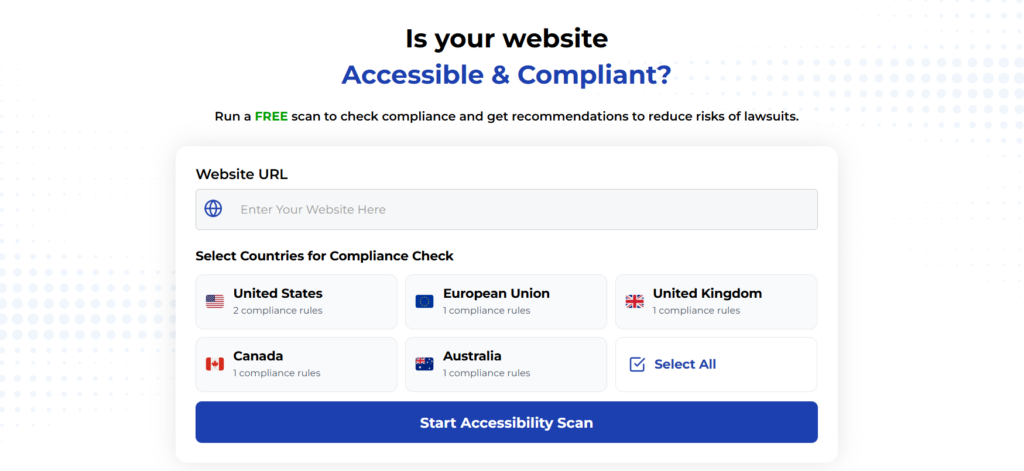
Using Automated Tools for Quick Insights (Accessibility-Test.org Scanner)
Automated testing tools provide a fast way to identify many common accessibility issues. They can quickly scan your website and point out problems that might be difficult for people with disabilities to overcome.
Visit Our Tools Comparison Page!
Run a FREE scan to check compliance and get recommendations to reduce risks of lawsuits
Final Thoughts
AI will keep getting better, but it won’t replace the human touch. The best results come from blending automation with real-world testing and feedback. As the EAA and similar laws spread, accessibility will only become more important for businesses in Europe and beyond.
Ready to make your website accessible? Don’t wait until the deadline or a lawsuit. Start your accessibility journey today:
Try our AI-powered accessibility testing tool for free.
Get a clear picture of your site’s accessibility, fix issues fast, and plan for ongoing compliance. Need help? Our team is here to answer your questions and support your next steps.
Have a story about accessibility testing? Want to share your experience or ask a question? Leave a comment below or reach out to our team. Your feedback helps us make digital accessibility better for everyone.
Try Accessibility-Test.org’s scanner now and start building a more inclusive digital future.
Want More Help?
Try our free website accessibility scanner to identify heading structure issues and other accessibility problems on your site. Our tool provides clear recommendations for fixes that can be implemented quickly.
Join our community of developers committed to accessibility. Share your experiences, ask questions, and learn from others who are working to make the web more accessible.