



Why WCAG 3.0 Matters for Europe’s Digital Future
Digital accessibility is no longer just a technical checkbox; it’s a human right. With the European Accessibility Act (EAA) deadline looming, everyone from developers to business owners is asking the same question: “What’s next for web accessibility in Europe?” WCAG 3.0 is set to shake up the world of accessibility compliance, bringing new requirements, a fresh scoring system, and a broader focus on user needs. If you’re responsible for a website or app, staying ahead of these changes isn’t just smart; it’s essential for both compliance and customer trust.
But what makes WCAG 3.0 different from previous versions? How will it affect your business, your team, and your users? And most importantly, how can you prepare without feeling overwhelmed? Let’s break down what you need to know, step by step, with practical tips and real-world examples.
Understanding WCAG | A Quick Refresher
Before diving into what’s new, let’s take a moment to define WCAG for anyone who’s new to accessibility. The Web Content Accessibility Guidelines (WCAG) are a set of international standards designed to make web content usable for people with disabilities. These guidelines cover everything from color contrast and keyboard navigation to text alternatives for images and logical content structure.
For years, European organizations have relied on WCAG 2.1 and 2.2 to meet legal requirements under laws like the EAA and EN 301 549. But digital life keeps changing, and so do user expectations. That’s where WCAG 3.0 comes in.
Key Differences | WCAG 2.2 vs. WCAG 3.0
WCAG 2.2 introduced updates like improved focus indicators, larger touch targets, and better support for users with cognitive disabilities. But WCAG 3.0 goes further. Instead of sticking to the old “success criteria” format, it introduces outcomes and methods that aim to be easier to understand and more flexible for different types of content.
For example, instead of a single rule for color contrast, WCAG 3.0 proposes a scoring system that considers context; like the size of text or the importance of a button. This shift means teams will need to think more about how users actually experience barriers, not just whether a page passes or fails a checklist.
Scoring and Conformance | Goodbye Pass/Fail
One of the biggest changes in WCAG 3.0 is the move away from a simple pass/fail model. Instead, you’ll see a points-based scoring system. Each outcome is rated, and your site receives an overall score. This approach recognizes that accessibility isn’t always black and white; real-world sites might not be perfect, but they can still offer a good experience for most users.
This new scoring method helps teams:
- Prioritize fixes based on user impact
- Track progress over time
- Show stakeholders where improvements are happening
It’s a more honest reflection of the real world, where perfection is rare but progress matters.
Broader Coverage of Disabilities
WCAG 3.0 doesn’t just focus on visual or motor disabilities; it expands its reach to include cognitive and learning disabilities, too. This means more attention to things like:
- Plain language and clear instructions
- Predictable layouts and navigation
- Reducing cognitive load for users with ADHD, dyslexia, or memory challenges
By widening the scope, WCAG 3.0 aims to make digital spaces more usable for everyone, not just those with the most common accessibility needs.
The Timeline | WCAG 3.0 and the European Accessibility Act
When Will WCAG 3.0 Arrive?
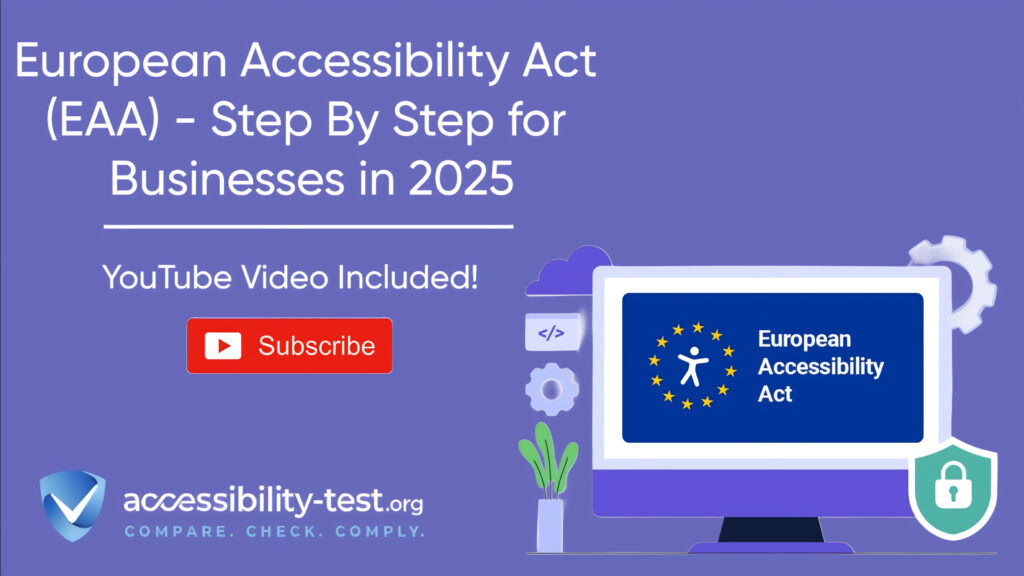
If you’re wondering when you need to act, here’s the current picture: WCAG 3.0 is still in draft form and isn’t expected to become a formal standard for a few years. However, the European Accessibility Act takes effect in June 2025. Most organizations are using WCAG 2.2 as their baseline for now.
But don’t get too comfortable; regulators and industry leaders are watching WCAG 3.0 closely. Its new focus areas are likely to influence future updates to EU laws and procurement standards. If you start preparing now, you’ll save headaches (and money) down the road.
How Does It Relate to the EAA?
The EAA sets out requirements for a wide range of products and services, including e-commerce, banking, and public sector websites. While it doesn’t reference WCAG 3.0 directly (yet), its intent is clear: digital products must be accessible to everyone, regardless of ability.
By aligning your work with WCAG 3.0’s direction, you’re not just meeting the letter of the law; you’re opening your services to more people and reducing legal risk.
How to Prepare Your Website or App for WCAG 3.0
Reviewing Your Current Accessibility Status
Start with an honest assessment. Use accessibility testing tools to catch obvious issues, but remember: automated tests only find about 30-40% of barriers. Manual testing, especially with real users, is where you’ll uncover the things that matter most.
Try these steps:
- Use a screen reader to browse your own site. Can you find the main content quickly? Are all buttons and links labeled clearly?
- Navigate using only your keyboard. Can you reach every interactive element? Is the focus indicator always visible?
- Ask someone with a disability to test your product and share their experience.
These hands-on checks often reveal surprises that automated tools miss.
Prioritizing Updates for New Criteria
With WCAG 3.0’s scoring model, you’ll want to focus on the issues that have the biggest impact on users. For example:
- Fix color contrast problems first; they affect users with low vision and are easy to spot.
- Add alt text to images, especially those that convey important information.
- Make sure forms have clear labels and error messages.
- Check that your site works well on both desktop and mobile devices.
Create a list of barriers, rank them by user impact, and tackle the most serious ones first. Document your process; this helps show your commitment if you’re ever audited.
Training Teams on Upcoming Standards
Accessibility isn’t just a developer’s job. Designers, content creators, and QA testers all play a part. Make sure everyone on your team understands the basics of WCAG 3.0, especially the new outcomes and scoring system.
Consider these steps:
- Hold regular training sessions or workshops
- Bring in outside experts for deep dives
- Use online resources and communities for ongoing learning
The more your team knows, the fewer issues you’ll face in the long run.
Tools and Resources for Transitioning to WCAG 3.0
Automated and Manual Accessibility Testing Tools
No single tool can catch every accessibility issue. Combine automated accessibility testing tools with manual checks for the best results. Here are some options:
- Axe, WAVE, and Lighthouse: Great for quick scans and spotting common barriers.
- Screen readers: NVDA, JAWS, or VoiceOver help you experience your site as a blind user would.
- Keyboard-only navigation: Tabbing through your site can reveal missing focus indicators or inaccessible menus.
Remember, automated tools are just the first step. Manual testing fills in the gaps, especially for things like logical content structure and meaningful link text.
Internal and External Training Resources
Don’t know where to start with training? Look for resources that break down WCAG 3.0’s new outcomes in plain language. Many organizations offer workshops, webinars, or self-paced courses. You can also tap into communities like Accessibility-Test.org for peer support and advice.
Have you considered setting up an internal accessibility champion program? Appoint team members to stay on top of changes, share updates, and answer questions. This keeps accessibility top-of-mind, even as standards evolve.
Future-Proofing Your Digital Products
Staying Flexible as Standards Evolve
Accessibility isn’t a one-and-done project. Standards change, user needs shift, and new technologies emerge. Make accessibility part of your regular workflow:
- Include accessibility checks in every sprint or release.
- Document decisions and fixes so future team members understand your approach.
- Solicit feedback from users with disabilities; they’re the real experts.
By treating accessibility as an ongoing commitment, you’ll be ready for whatever WCAG 3.0 (and beyond) brings.
Real-World Example: A European Retailer’s Story
Last year, a mid-sized retailer in Germany decided to get ahead of the EAA deadline. They started by running an accessibility audit using both automated and manual tools. The team found issues with color contrast, missing alt text, and confusing navigation.
Instead of trying to fix everything at once, they prioritized the most serious barriers. They also set up monthly training sessions for designers and developers. Within six months, their accessibility score improved, customer complaints dropped, and they even saw a bump in search rankings.
What made the difference? Consistent testing, clear priorities, and a willingness to learn from mistakes.
Frequently Asked Questions about WCAG 3.0 and the EAA
Will WCAG 3.0 Replace WCAG 2.2 Right Away?
No. WCAG 3.0 will run in parallel with WCAG 2.2 for several years. Most regulations, including the EAA, still reference WCAG 2.1 or 2.2, but it’s smart to start aligning with WCAG 3.0’s direction now.
How Will Scoring Affect Compliance?
The new scoring system gives you a more nuanced picture of your site’s accessibility. Instead of a simple pass/fail, you’ll see where you’re doing well and where you need to improve. This helps teams set realistic goals and track progress over time.
What About Small Businesses?
Small teams often worry about the cost and complexity of accessibility. The good news is that many fixes; like adding alt text or improving keyboard navigation; don’t require big budgets. Start small, focus on high-impact changes, and use free tools where possible.
Step-by-Step | Preparing for WCAG 3.0 Compliance
1. Run an Accessibility Audit
Start with a full accessibility scan using both automated tools and manual checks. Document every barrier you find, no matter how small. This gives you a baseline to measure progress.
2. Prioritize High-Impact Fixes
Focus first on issues that block access for the most users. Common examples include:
- Low color contrast
- Missing or unclear alt text
- Unlabeled form fields
- Keyboard traps
Fixing these barriers will have the biggest impact on your users; and your compliance status.
3. Update Content and Design
Work with your content and design teams to make sure all new content meets WCAG 3.0’s outcomes. This might mean rewriting instructions in plain language, reorganizing navigation, or adding captions to videos.
4. Train Your Team
Make accessibility part of your onboarding and ongoing training. Share updates about WCAG 3.0 in team meetings, and encourage everyone to ask questions.
5. Test with Real Users
Nothing beats feedback from people with disabilities. Invite users to test your site and share their experiences. Use their feedback to guide your next round of fixes.
6. Monitor and Document Progress
Keep track of every fix, test, and update. This documentation isn’t just for compliance; it’s proof of your commitment to accessibility and can help with future audits.
Common Pitfalls | What Trips Up European Teams?
Over-Reliance on Automated Tools
Automated accessibility testing tools are helpful, but they can’t catch everything. Manual testing is essential, especially for things like logical content flow and meaningful link text.
Ignoring Mobile Accessibility
Many users access websites and apps on mobile devices. Make sure your accessibility checks include mobile testing; especially for touch targets, zoom, and screen reader compatibility.
Forgetting About Cognitive Disabilities
WCAG 3.0 puts more emphasis on cognitive accessibility. Don’t overlook things like clear language, predictable layouts, and easy-to-understand instructions.
Lack of Ongoing Training
Accessibility standards change. If your team isn’t keeping up, you risk falling behind. Make training a regular part of your workflow.
Accessibility and SEO | Why They Go Hand-in-Hand
Did you know that accessible websites often rank higher in search results? Search engines reward sites that are easy to navigate, have clear headings, and use descriptive alt text; all core accessibility requirements.
A WebAIM study found that websites with higher accessibility scores also performed better on search engines. So by investing in accessibility, you’re also boosting your SEO performance.
The Human Side | Stories from the Field
Let’s bring this down to earth. Imagine Maria, a university student in Spain with low vision. She relies on screen readers and high-contrast settings to access course materials. When her university updated its website to meet WCAG 2.2, she could finally register for classes without help. But some forms still confused her because they didn’t use plain language or clear error messages.
With WCAG 3.0’s focus on cognitive accessibility, Maria’s experience will only get better. And she’s not alone; millions of Europeans depend on accessible digital products every day.
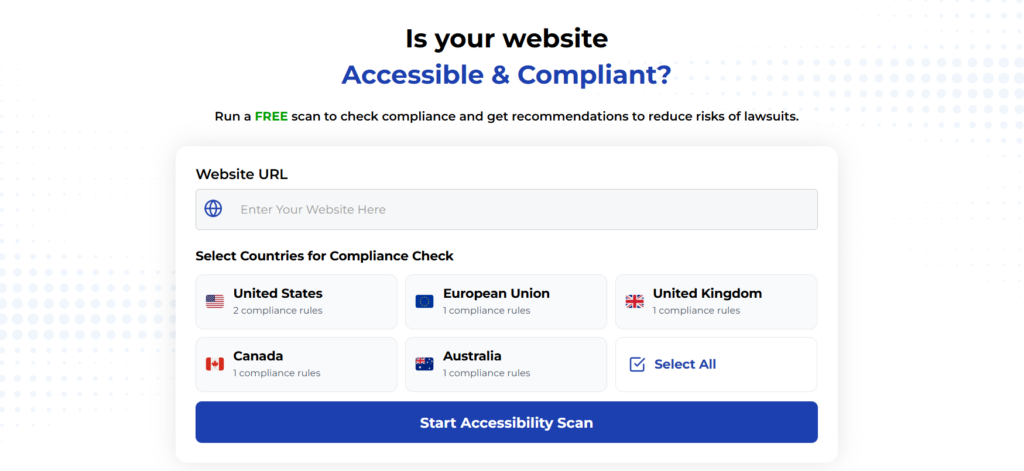
Using Automated Tools for Quick Insights (Accessibility-Test.org Scanner)
Automated testing tools provide a fast way to identify many common accessibility issues. They can quickly scan your website and point out problems that might be difficult for people with disabilities to overcome.
Visit Our Tools Comparison Page!
Run a FREE scan to check compliance and get recommendations to reduce risks of lawsuits
Final Thoughts
Ready to prepare for WCAG 3.0? Here’s what you can do today:
- Run an accessibility scan on your website or app.
- Review your results and prioritize the most serious barriers.
- Train your team on new WCAG 3.0 outcomes and scoring.
- Set up regular accessibility checks in your workflow.
- Join the Accessibility-Test.org community for support and resources.
Have you considered how your current site measures up to the latest standards? Don’t wait until the deadline—start your WCAG 3.0 readiness check now with Accessibility-Test.org and keep your digital products open to everyone.
What’s your biggest accessibility challenge right now? Share your story with us, or reach out for a free accessibility scan. Together, we can make the web a place everyone can use—no exceptions.
This article is part of our ongoing series on accessibility testing tools, WCAG compliance, ADA website requirements, and digital accessibility strategies. For more resources, visit Accessibility-Test.org.
Want More Help?
Try our free website accessibility scanner to identify heading structure issues and other accessibility problems on your site. Our tool provides clear recommendations for fixes that can be implemented quickly.
Join our community of developers committed to accessibility. Share your experiences, ask questions, and learn from others who are working to make the web more accessible.