



Is Your Tourism Business Ready for Europe’s Accessible Travel Wave?
Imagine planning a dream vacation. You spend hours comparing flights and hotels, picturing yourself at your destination. Now, imagine doing that with an added layer of uncertainty. Will the hotel website let you book an accessible room? Will the airline’s app work with your screen reader? Can you find out if a train station has step-free access before you arrive?
For millions of travelers with disabilities across Europe, this isn’t a hypothetical. It’s the reality of planning a trip. But it’s also a massive, overlooked opportunity for the tourism sector. This isn’t just about ticking a compliance box; it’s about opening your doors to a loyal and growing market. Getting your digital and physical services right for people with disabilities means better business for you and a better experience for everyone.
This article will show you what the European Accessibility Act (EAA) means for your business and give you practical steps for making your travel services welcoming to all.
Understanding the European Accessibility Act (EAA) for Travel
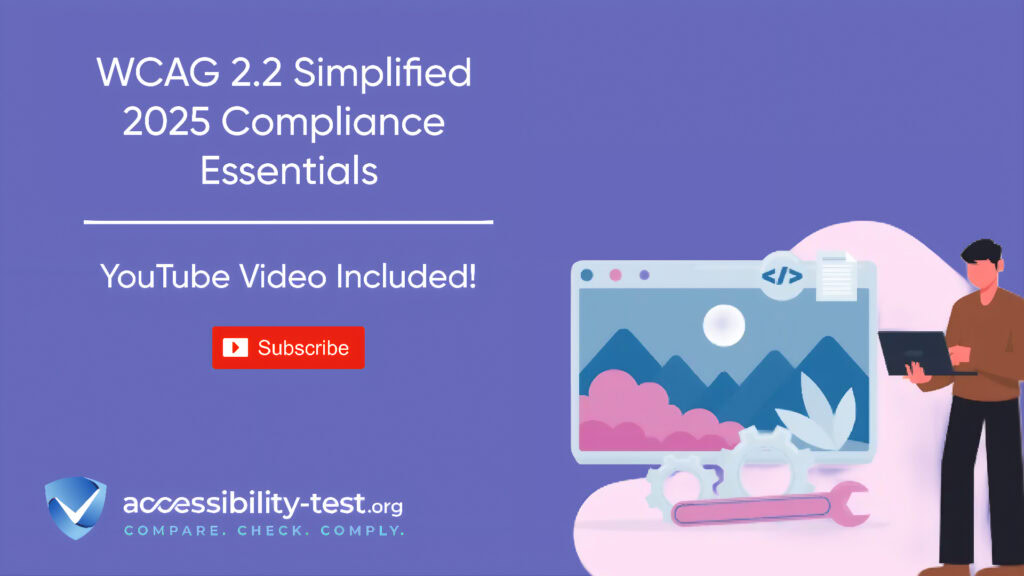
The European Accessibility Act isn’t just another piece of legislation; it’s a set of common rules designed to make products and services easier to use for the 87 million people in the EU with some form of disability. For the travel industry, these rules are a direct call to action, with deadlines that are fast approaching.
What is the EAA and Who Does It Affect?
Think of the EAA as a standard for accessibility across the European Union. Instead of having different rules in every country, it creates one set of requirements. This is a big deal for travel and tourism. The EAA applies directly to key parts of the travel chain, including:
- Air, bus, rail, and water transport services.
- Websites and mobile applications for these services.
- Self-service terminals like ticketing machines and check-in kiosks.
If your business operates in these areas, the EAA applies to you. The goal is to remove barriers, ensuring that booking a flight, buying a train ticket, or checking in for a ferry is a straightforward process for everyone. The final date for member states to apply these measures was June 28, 2025, which means businesses should already have a plan in place.
Digital Mandates: Websites, Apps, and Kiosks
A person’s travel experience often starts online. That’s why the EAA puts a strong focus on digital platforms. Your website, mobile app, and any interactive kiosks must meet certain accessibility standards, which are based on the Web Content Accessibility Guidelines (WCAG). This is where WCAG compliance becomes a business necessity.
In practical terms, this means your digital front door must be open to all. People who use screen readers should be able to understand your content. Users who can’t use a mouse must be able to navigate your site with a keyboard. And your mobile accessibility needs to be solid, as many people plan and manage their travel from their phones. Are your booking forms confusing? Do your images lack descriptions? These are the kinds of barriers the EAA targets.
The Cost of Non-Compliance vs. The Reward of Inclusion
What happens if you ignore the EAA? Each EU member state sets its own penalties, which can include fines. But the financial penalty is only part of the story. The real cost is missing out on a huge market. Families and groups often travel together, and if one person can’t use your services, you may lose the entire group’s business.
On the other hand, the rewards for creating accessible experiences are enormous. You open your business to more customers, build a reputation as an inclusive brand, and often see benefits in other areas, like search engine optimization. An accessible website is typically a well-structured website, which search engines favor.
Creating a Welcoming Digital Front Door for Every Traveler
Your website or app is often the first point of contact a traveler has with your business. If it’s confusing or impossible to use, they’ll simply go to a competitor. Making your digital presence accessible is about showing customers you value them before they’ve even packed their bags.
Why Your Booking Engine Might Be Turning Customers Away
An accessible booking engine is the heart of any online travel business. Yet, many are filled with problems for users with disabilities. Have you ever tried booking a flight on your own website using only the tab key? This simple test often reveals major issues.
Common problems include booking calendars that don’t work with screen readers, forms that are impossible to fill out (accessible forms), and buttons that are so small they’re difficult to click. If a person cannot select their dates, choose a room, or enter their payment information without assistance, they are not your customer. They are your competitor’s customer. It’s as simple as that.
The Power of Detailed Accessibility Information
Uncertainty is a huge barrier to travel for people with disabilities. Providing clear, detailed information about your hotel’s, airline’s, or attraction’s accessibility features removes that uncertainty and builds immense trust. Vague statements like “accessible rooms available” are not enough.
Travelers need specifics. For a hotel, this means:
- Do you have rooms with roll-in showers?
- What is the height of the bed?
- Are there visual fire alarms for guests who are deaf or hard of hearing?
- Are hallways wide enough for a wheelchair?
For an attraction, it could be:
- Is there a sensory-friendly or low-noise time to visit?
- Is there a downloadable map showing accessible routes?
- Are audio guides or sign language interpreters available?
Providing this information, supported by good image descriptions and alt text accessibility for photos, allows people to decide for themselves if your business meets their needs.
Real-Time Updates That Everyone Can Use
Travel is full of last-minute changes; gate changes, flight delays, platform alterations. How do you communicate these updates? If your only method is an audio announcement in a loud airport, you’re excluding travelers who are hard of hearing. If it’s just a visual sign that’s hard to read, you’re leaving out people with low vision.
Accessible real-time updates use multiple formats. Send a text message. Push a notification through your screen reader compatible app. Display the information clearly on digital screens with high-contrast text. This approach ensures that every traveler has the information they need to continue their trip smoothly and safely, adhering to WCAG standards for notifications.
Making Your Content Readable and Understandable
Accessibility isn’t just about technical settings. It’s also about clarity. Using simple language and structuring your content logically helps everyone, especially people with cognitive disabilities, older adults, and those who are reading in a non-native language.
Following basic readability standards can make a world of difference. Break up long blocks of text with short paragraphs and bullet points. Use accessible headings to create a clear content structure, allowing users (and screen readers) to scan the page and find what they need quickly. Is your information about luggage allowances buried in a dense paragraph of legal text? That’s a barrier. Put it under a clear heading and use a simple list.
Putting People First: Lessons from Europe’s Most Accessible Cities
Progress in accessibility often happens at the community level. The EU recognizes and celebrates cities that are working hard to break down barriers for their residents and visitors. By looking at what they’ve achieved, individual businesses can find inspiration and practical ideas.
What is the Access City Award?
The Access City Award is an annual competition that highlights European cities that have made outstanding efforts to become more accessible. It’s not just about adding ramps; it’s about integrating accessibility into the fabric of the city; in its buildings, public spaces, transport, and technology. Winning cities become models for others across the EU and beyond.
Case Study: A Look at a Winning City
Let’s consider San Cristóbal de La Laguna in Spain, a recent winner of the Access City Award. This city was recognized for its dedication to making its historic, UNESCO-listed old town accessible to everyone. They installed accessible transport options, created tactile paving stones to guide people with visual impairments, and made information points fully usable for people with disabilities.
What’s the lesson here? They didn’t see accessibility as an afterthought. Instead integrated it directly into their city planning. They understood that a historic city doesn’t have to be an inaccessible one. They used modern solutions to make their heritage available to all, showing that good accessible design can respect the past while serving the present.
What Your Business Can Learn from These Cities
You don’t need a city-sized budget to make a difference. The winning cities offer valuable lessons for any travel business:
Communicate Clearly: The cities that do well make it easy to find accessibility information. Your website should do the same. Create a dedicated accessibility page that details all the features you offer.
Think Holistically: Accessibility isn’t just one department’s job. From your web developers to your front-desk staff, everyone has a role to play.
Consult Experts: These cities worked with disability organizations. Your business can do the same. Ask people with disabilities to test your website or tour your hotel. Their feedback is invaluable.
Practical Steps to Get Your Travel Business on Board
Feeling motivated but not sure where to start? Moving toward better accessibility is a step-by-step process. Here are a few concrete actions you can take right away to get your business on the right track.
Start with an Accessibility Check-Up
You can’t fix what you don’t know is broken. Begin with a review of your current accessibility status. You can use an accessibility checker or accessibility scanner as a starting point. These automated tools will scan your website and flag common issues, like missing alt text or low-contrast colors.
However, these tools are just the beginning. They can’t tell you if your booking process is genuinely usable or if your content is easy to understand. For that, you need manual web accessibility testing, ideally involving users with disabilities. This kind of hands-on testing will give you a true picture of the user experience. You might also consider hiring an accessibility auditing service to get an expert opinion.
Training Your Team for Inclusive Service
A perfectly accessible building or website can be undone by poorly trained staff. Your team is the human face of your brand, and their actions matter deeply. Accessibility training is essential for everyone, from management to frontline employees.
Training should cover more than just how to operate a wheelchair lift. It should include disability awareness, respectful language, and specific procedures for assisting guests with different needs. For example, do your staff members know how to guide a person with a visual impairment? Do they know how to communicate clearly with someone who is hard of hearing? A well-trained team ensures that your commitment to accessibility is felt in every interaction.
Marketing Your Accessible Features (Without Overstating)
Once you’ve made improvements, you should let people know. Marketing your accessible features helps the right customers find you. However, it’s important to be honest and specific. Avoid making broad, unproven claims like “we are fully accessible.”
Instead, describe exactly what you offer. For example:
- “Our main entrance is step-free and has an automatic door.”
- “We offer large-print menus upon request.”
- “All our tour videos include closed captions and audio descriptions.”
This level of detail builds trust. It tells potential customers that you understand their needs and have taken real steps to meet them. This helps you stand out and attracts a loyal customer base that values transparency.
Using Automated Tools for Quick Insights (Accessibility-Test.org Scanner)
Automated testing tools provide a fast way to identify many common accessibility issues. They can quickly scan your website and point out problems that might be difficult for people with disabilities to overcome.
Visit Our Tools Comparison Page!
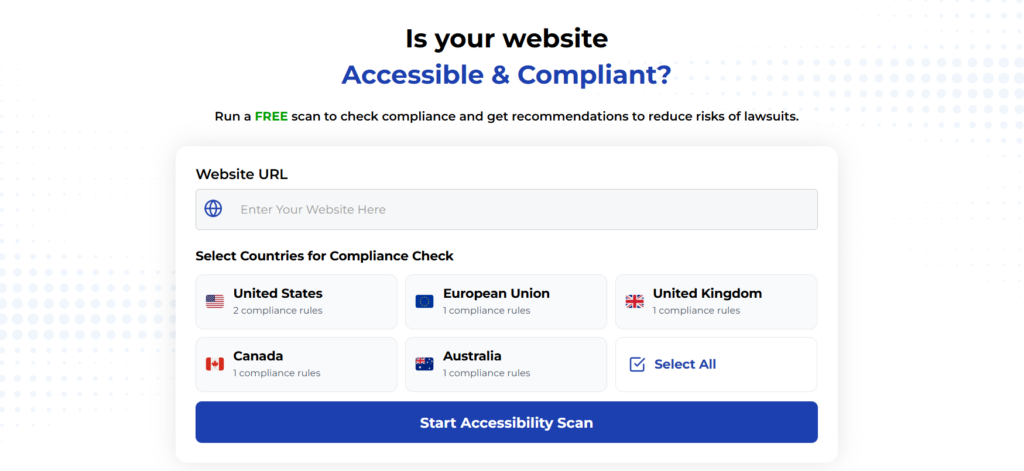
Run a FREE scan to check compliance and get recommendations to reduce risks of lawsuits
Final Thoughts
The demand for accessible travel in Europe is not a passing trend; it’s a permanent shift in the market. The European Accessibility Act has set the direction, but the businesses that will truly succeed are the ones that see this as an opportunity, not just an obligation. By making your digital and physical spaces open to everyone, you’re not only complying with the law; you’re investing in a more profitable and resilient future.
You’re opening your doors to millions of new customers, building a brand that people admire, and creating better experiences for all your guests. The question is no longer if you should make your business accessible, but how quickly you can get started.
Ready to make your website welcome every traveler? Explore our website accessibility services or contact us for an accessibility audit to see where you stand.
Run a Free Scan to Find E-commerce Accessibility Barriers
Curious about where your site stands? An automated scan is a great first step to identify potential accessibility issues on your e-commerce platform. Run a free scan on our website today to get an initial report on your site’s accessibility health.
Want More Help?
Try our free website accessibility scanner to identify heading structure issues and other accessibility problems on your site. Our tool provides clear recommendations for fixes that can be implemented quickly.
Join our community of developers committed to accessibility. Share your experiences, ask questions, and learn from others who are working to make the web more accessible.