



Accessibility Crisis Management | Responding to Lawsuits and Compliance Failures
When that accessibility lawsuit notification lands in your inbox, your heart probably skips a beat. Don’t panic—you’re not alone in this situation. Over 4,000 digital accessibility lawsuits were filed in 2024, affecting businesses of all sizes . Small businesses with revenues under $25 million faced 66% of all accessibility lawsuits, while larger organizations handled the remaining 34% . Having a solid crisis response plan can make the difference between a manageable setback and a business-threatening disaster.
This article walks you through proven strategies for handling accessibility lawsuits and compliance failures. We’ll cover immediate response protocols, documentation requirements, remediation prioritization, stakeholder communication, prevention strategies, and legal protection options. These aren’t theoretical concepts—they’re practical steps that real businesses use when facing accessibility challenges.
Immediate Response Protocols for Accessibility Lawsuits
The first 48 hours after receiving an accessibility lawsuit or demand letter determine how well you’ll weather this storm. Your response during this critical window affects settlement negotiations, legal costs, and your organization’s reputation.
First Contact | Don’t Go It Alone
Contact qualified legal counsel immediately upon receiving any accessibility-related legal notice . ADA compliance cases involve complex regulations that require specialized knowledge. General business attorneys might miss critical details that accessibility law specialists catch right away .
While waiting for legal counsel, avoid making public statements about the lawsuit. Don’t post on social media, issue press releases, or discuss details with reporters. Even well-intentioned comments can hurt your case later. Serial plaintiffs filed 961 lawsuits in 2024—41% of all federal filings—so experienced plaintiff attorneys know how to use your words against you .
Document Everything Immediately
Start preserving evidence the moment you receive legal notice. Screenshot your website exactly as it appears when the lawsuit arrives. Save copies of all pages mentioned in the complaint. Document any accessibility features already present on your site .
Create a timeline of recent website changes. When did you last update content? Have you installed new plugins or made design changes? This information helps your legal team understand what accessibility barriers might exist and when they appeared.
Gather records of any previous accessibility efforts. Have you conducted accessibility audits? Do you have employee training records? These documents show good faith efforts to address accessibility, which can influence settlement negotiations .
Assess Your Current Accessibility Status
Conduct an immediate accessibility assessment to understand your site’s current compliance level. Use automated scanning tools like axe-core, WAVE, or Lighthouse to identify obvious violations . However, remember that automated tools only catch 30-40% of accessibility issues .
Don’t rely solely on automated scans. Many accessibility barriers require human judgment to identify. For example, automated tools can detect missing alt text but can’t determine if existing alt text actually describes images meaningfully.
Review the specific allegations in the lawsuit. Plaintiffs often target common accessibility failures like missing alt text, poor color contrast, inaccessible forms, and keyboard navigation problems . Understanding these specific issues helps prioritize your immediate response efforts.
Immediate Stakeholder Notification
Notify internal stakeholders about the lawsuit within 24 hours. This includes senior executives, legal teams, IT departments, and communications staff. Each group needs different information, but everyone should understand the seriousness of the situation.
Create a communication protocol that prevents information leaks while keeping necessary parties informed. Designate one person as the primary contact for lawsuit-related communications. This prevents mixed messages and ensures consistent information sharing.
Inform your insurance carrier if you have cyber liability or professional liability coverage. Some policies cover accessibility lawsuits, but you must notify carriers promptly to maintain coverage .
Legal Documentation and Evidence Preservation
Proper documentation can make or break your defense in an accessibility lawsuit. Courts and settlement negotiations often hinge on your ability to demonstrate good faith accessibility efforts and respond to specific allegations with evidence.
Creating a Legal Defense Package
Compile all accessibility-related documentation into a centralized package for your legal team. This includes accessibility audits, WCAG compliance reports, staff training records, vendor contracts for accessibility services, and correspondence about accessibility improvements .
Document your organization’s accessibility policy, if one exists. Include board resolutions, executive directives, or company policies that address disability inclusion. These documents show organizational commitment to accessibility beyond mere legal compliance.
Gather evidence of accessibility features already present on your website. Screenshots of accessible forms, keyboard navigation functionality, alt text examples, and color contrast measurements help demonstrate existing compliance efforts .
Preserving Technical Evidence
Create detailed technical documentation of your website’s current state. This includes source code snapshots, database exports, and server logs from the time period mentioned in the lawsuit. Technical evidence helps your legal team understand exactly what accessibility barriers existed when the plaintiff visited your site.
Document your content management system and any accessibility plugins or tools you use. Some automated accessibility solutions provide legal defense documentation that can support your case . However, courts have mixed views on overlay solutions, so don’t rely solely on these tools for defense.
Preserve records of user feedback about accessibility. Customer service tickets, support emails, and accessibility-related comments show how real users with disabilities interact with your site. This evidence can counter claims about widespread accessibility barriers.
Working with Accessibility Experts
Engage IAAP-certified accessibility experts who can provide credible testimony about your site’s compliance status . Professional accessibility auditors understand both technical requirements and legal standards, making their assessments valuable for legal defense.
Many accessibility consulting firms offer litigation support services that include expert witness testimony, detailed compliance reports, and remediation recommendations . These services cost more than basic audits but provide stronger legal protection.
Document any accessibility improvements made after receiving the lawsuit notice. While you can’t retroactively fix barriers that existed when the plaintiff visited, showing immediate action demonstrates good faith efforts to address accessibility concerns.
Evidence Chain of Custody
Maintain proper chain of custody for all digital evidence. Use timestamped screenshots, official website archives, and documented evidence collection procedures. Poor evidence handling can make your documentation inadmissible in court.
Work with your legal team to ensure evidence collection follows proper procedures. Some evidence requires specific preservation methods to maintain legal validity. Your accessibility consultant should coordinate with legal counsel to ensure all documentation meets court requirements.
Consider hiring third-party digital forensics experts for complex cases. These specialists can document your website’s technical state in ways that courts readily accept. While expensive, professional forensics documentation provides strong legal protection for high-stakes cases.
Rapid Remediation Prioritization Strategies
When facing an accessibility lawsuit, you can’t fix everything at once. Smart prioritization focuses your limited resources on changes that provide maximum protection and demonstrate genuine commitment to accessibility compliance.
Triage System for Accessibility Barriers
Start with high-impact issues that directly prevent users with disabilities from accessing essential functions. These include inaccessible login forms, broken checkout processes, and navigation menus that don’t work with keyboards or screen readers .
Address barriers mentioned specifically in the lawsuit first. If the complaint alleges missing alt text on product images, audit and fix alt text across your entire site. This shows direct responsiveness to the legal allegations.
Focus on “low-hanging fruit” that provides quick wins. Adding alt text to images, improving color contrast, and fixing form labels often require minimal technical effort but demonstrate visible accessibility improvements .
Business Function Prioritization
Prioritize accessibility fixes based on business-critical functions. E-commerce sites should focus on product search, shopping carts, and payment processes first. Service websites should prioritize contact forms, appointment scheduling, and account management features.
Consider traffic patterns when prioritizing fixes. High-traffic pages with accessibility barriers affect more users and create greater legal exposure. Use analytics data to identify which pages disabled users visit most frequently.
Review the volume of repeat issues across your site. If you have 500 images missing alt text, fixing this single issue type provides broader accessibility improvements than addressing five different barrier types affecting fewer elements .
Technical Implementation Strategy
Create a remediation roadmap that addresses both immediate legal concerns and long-term accessibility goals. Quick fixes handle urgent lawsuit issues, while systematic improvements prevent future compliance failures.
Coordinate remediation efforts with your development team’s existing workflows. Major accessibility changes might require significant development time, so plan fixes that align with scheduled website updates or redesign projects.
Test all accessibility improvements with real assistive technology users. Screen reader testing, keyboard navigation verification, and cognitive accessibility evaluation ensure your fixes actually work for people with disabilities .
Documentation of Remediation Efforts
Document every accessibility improvement with before-and-after evidence. Screenshots, compliance reports, and user testing results show concrete progress toward accessibility compliance .
Track remediation timelines and resource allocation. This documentation demonstrates organizational commitment to accessibility and helps defend against claims of inadequate response to legal notices.
Create accessibility improvement reports for legal teams and insurance carriers. These reports show proactive efforts to address accessibility barriers and can influence settlement negotiations or coverage decisions.
Stakeholder Communication During Accessibility Crises
Clear communication with internal and external stakeholders prevents confusion, maintains business relationships, and protects your organization’s reputation during accessibility legal challenges.
Internal Communication Protocols
Establish clear communication channels for accessibility crisis management. Designate specific individuals responsible for legal updates, technical remediation progress, and external communications. This prevents mixed messages and information leaks that could harm your legal case .
Regular internal updates keep stakeholders informed without overwhelming them with details. Weekly status reports covering legal developments, remediation progress, and timeline updates maintain transparency while protecting sensitive information.
Train internal teams on appropriate responses to accessibility-related inquiries. Customer service representatives, sales staff, and technical support teams need consistent talking points that acknowledge accessibility importance without admitting legal liability.
Customer Communication Strategy
Address customer accessibility concerns promptly and professionally. When customers report accessibility barriers, acknowledge their feedback and explain what steps you’re taking to address these issues. This demonstrates responsiveness and may prevent additional legal complaints.
Create accessible customer communication channels. Ensure your customer service phone lines, email systems, and support portals work for customers with disabilities. Having inaccessible customer service while fighting an accessibility lawsuit creates additional legal exposure.
Consider proactive communication about accessibility improvements. Some organizations publish accessibility statements or update customers about ongoing accessibility enhancements. This transparency can build customer trust and demonstrate genuine commitment to inclusion.
Media and Public Relations Management
Prepare media talking points that acknowledge accessibility importance without discussing specific legal cases. Focus on your organization’s commitment to serving all customers rather than defending against particular allegations.
Monitor social media and online discussions about your accessibility lawsuit. Respond professionally to accessibility concerns while avoiding detailed legal discussions. Negative social media attention can influence settlement negotiations and brand reputation.
Consider engaging accessibility advocacy organizations constructively. Some disability rights groups appreciate organizations that demonstrate genuine commitment to accessibility improvement rather than mere legal compliance.
Vendor and Partner Communications
Notify relevant vendors and partners about accessibility requirements. If your website uses third-party plugins, widgets, or content management systems, ensure these tools meet accessibility standards. Vendor accessibility failures can create additional legal exposure for your organization.
Review contracts with web development firms, marketing agencies, and technology providers. Many vendors now offer accessibility compliance guarantees or indemnification clauses that can provide legal protection during accessibility disputes.
Document vendor communications about accessibility compliance. If third-party services create accessibility barriers on your site, proper documentation can shift liability away from your organization during legal proceedings.
Prevention Through Proactive Accessibility Programs
The best crisis management strategy is preventing accessibility crises altogether. Organizations with proactive accessibility programs face fewer lawsuits and handle accessibility challenges more effectively when they arise.
Building Accessibility Monitoring Systems
Automated accessibility monitoring catches new barriers before they become legal problems. Tools like AccessiMetrics, Google Analytics 4 with custom accessibility tracking, and dedicated accessibility monitoring services provide ongoing compliance oversight .
Set up automated alerts for accessibility violations on new content. Many content management systems can flag potential accessibility issues during content creation, preventing barriers from reaching your live website.
Establish regular accessibility auditing schedules. Quarterly professional audits combined with monthly automated scans create multiple layers of accessibility monitoring that catch issues early .
Staff Training and Culture Development
Train content creators, web developers, and marketing teams on basic accessibility principles. When staff understand how to create accessible content from the start, you prevent accessibility barriers rather than fixing them after publication .
Create accessibility checklists for different types of content. Blog posts, product pages, marketing campaigns, and social media content each require specific accessibility considerations. Checklists ensure consistent accessibility attention across all content types.
Establish accessibility accountability in job descriptions and performance reviews. When accessibility becomes part of everyone’s responsibilities rather than a specialized concern, organizations see better long-term compliance results .
Accessibility Policy Development
Create written accessibility policies that establish organizational commitment to disability inclusion. These policies should reference specific standards like WCAG 2.2 AA compliance and outline consequences for accessibility failures .
Establish accessibility procurement requirements for new vendors and technology purchases. Require accessibility conformance reports (VPATs) from software vendors and include accessibility compliance clauses in vendor contracts .
Document accessibility decision-making processes. When you can’t make certain content fully accessible, document the reasons and alternative accommodations provided. This documentation shows good faith efforts to address accessibility barriers .
User Testing and Feedback Systems
Regular testing with disabled users provides insights that automated tools and expert audits miss. Establish relationships with local disability organizations or accessibility testing services that include users with diverse disabilities .
Create accessible feedback channels for customers to report accessibility barriers. Simple contact forms, dedicated accessibility email addresses, and phone support options allow disabled users to communicate accessibility needs effectively.
Respond promptly to accessibility feedback and document your responses. When customers report accessibility barriers, quick responses and visible improvements demonstrate organizational commitment to accessibility that can prevent legal complaints.
Accessibility Technology Integration
Choose content management systems and development tools that support accessibility features. WordPress, Shopify, and other platforms offer different levels of accessibility support that affect long-term compliance maintenance .
Integrate accessibility testing into development workflows. Automated accessibility tests in continuous integration pipelines catch accessibility regressions before they reach production environments .
Consider accessibility overlay solutions carefully. While some organizations use overlay tools for quick accessibility improvements, these solutions have limitations and shouldn’t replace systematic accessibility improvements .
Insurance and Legal Protection Considerations
Understanding insurance coverage and legal protection options helps organizations prepare for accessibility lawsuit costs and manage financial risks associated with compliance failures.
Insurance Coverage for Accessibility Lawsuits
Many cyber liability insurance policies now cover accessibility lawsuits, but coverage varies significantly between carriers and policy types . Review your current insurance policies to understand what accessibility-related expenses might be covered.
Professional liability insurance may cover accessibility consulting fees, legal defense costs, and settlement amounts depending on your policy language. Some carriers specifically exclude accessibility claims, while others provide comprehensive coverage .
General liability insurance typically doesn’t cover accessibility lawsuits because these cases involve digital discrimination rather than physical injury. However, some policies include limited coverage for ADA-related claims.
Legal Service Retainers and Preparation
Establish relationships with law firms that specialize in accessibility defense before you need them. Many accessibility law firms offer retainer agreements that provide immediate legal support when accessibility issues arise .
Consider legal insurance or pre-paid legal services that cover accessibility disputes. These services provide predictable legal costs and immediate access to qualified attorneys during crisis situations.
Review litigation support services offered by accessibility consulting firms. Many consultants provide expert witness testimony, technical documentation, and compliance assessments that support legal defense efforts .
Settlement Cost Planning
Average settlement costs for accessibility lawsuits range from $5,000 to $50,000, with some cases reaching six figures or more . Settlement amounts depend on violation severity, organizational response quality, and plaintiff attorney experience.
Factor remediation costs into settlement planning. Fixing accessibility barriers often costs more than initial settlement demands, especially for complex websites with extensive accessibility problems .
Consider ongoing compliance costs when evaluating settlement options. Some settlement agreements include ongoing accessibility monitoring requirements or periodic auditing that create long-term financial obligations.
Risk Management Strategies
Document all accessibility improvement efforts to demonstrate good faith compliance attempts. This documentation can reduce settlement amounts and legal fees by showing organizational commitment to accessibility .
Establish accessibility improvement budgets that allow rapid response to legal challenges. Organizations with dedicated accessibility funding can address lawsuit allegations more quickly and effectively.
Consider accessibility liability insurance specifically designed for digital accessibility risks. Several specialty insurers now offer policies that cover accessibility lawsuit costs, remediation expenses, and ongoing compliance monitoring.

Business Continuity Planning
Develop accessibility crisis response plans that maintain business operations during legal challenges. Accessibility lawsuits can disrupt normal business activities, especially if they require significant website changes or staff reallocation.
Create communication templates for accessibility-related media inquiries, customer questions, and vendor discussions . Having prepared responses prevents communication mistakes during stressful legal situations.
Establish relationships with accessibility consultants who provide emergency remediation services . Quick access to qualified accessibility experts can significantly reduce lawsuit resolution time and costs.
Moving Forward | Building Long-Term Accessibility Resilience
Accessibility crisis management isn’t just about surviving lawsuits—it’s about building organizational resilience that prevents future accessibility challenges while creating inclusive digital experiences for all users.
The organizations that handle accessibility crises most successfully are those that view these challenges as opportunities to improve their digital inclusion practices . Rather than treating accessibility as a legal burden, forward-thinking companies recognize that accessible websites serve broader customer bases, perform better in search engines, and demonstrate social responsibility leadership.
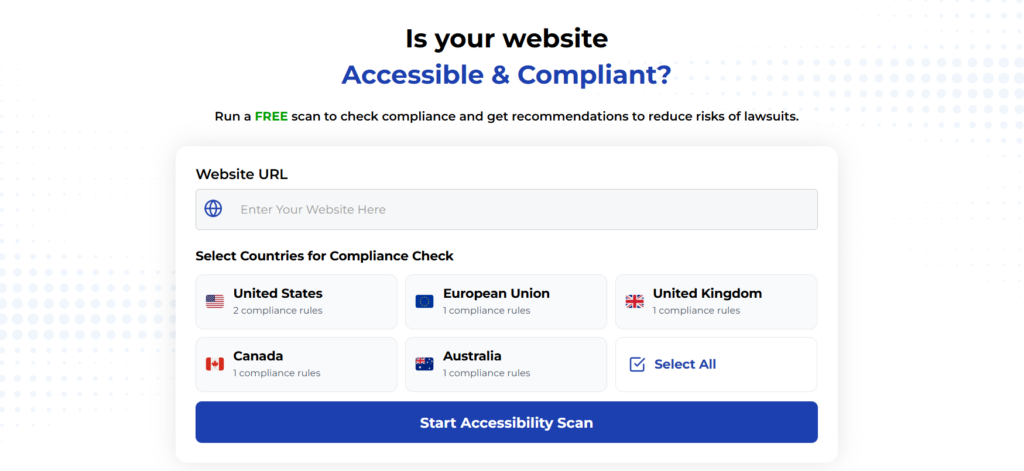
Using Automated Tools for Quick Insights (Accessibility-Test.org Scanner)
Automated testing tools provide a fast way to identify many common accessibility issues. They can quickly scan your website and point out problems that might be difficult for people with disabilities to overcome.
Visit Our Tools Comparison Page!
Run a FREE scan to check compliance and get recommendations to reduce risks of lawsuits
Final Thoughts
Your accessibility crisis management plan should balance immediate legal protection with long-term accessibility goals. Quick fixes handle urgent lawsuit concerns, but systematic accessibility improvements create lasting value for your organization and your customers . The businesses that invest in proactive accessibility programs spend less on legal defense and more on innovation and growth.
Remember that accessibility lawsuits often stem from genuine barriers that affect real people’s ability to access information and services. While legal compliance is important, the ultimate goal is creating digital experiences that work for everyone, regardless of ability.
Ready to protect your organization from accessibility lawsuits? Start with a free accessibility scan using our testing tools to identify potential barriers before they become legal problems . Download our accessibility crisis response checklist and explore our accessibility monitoring services designed specifically for businesses facing digital inclusion challenges.
Want More Help?
Try our free website accessibility scanner to identify heading structure issues and other accessibility problems on your site. Our tool provides clear recommendations for fixes that can be implemented quickly.
Join our community of developers committed to accessibility. Share your experiences, ask questions, and learn from others who are working to make the web more accessible.